
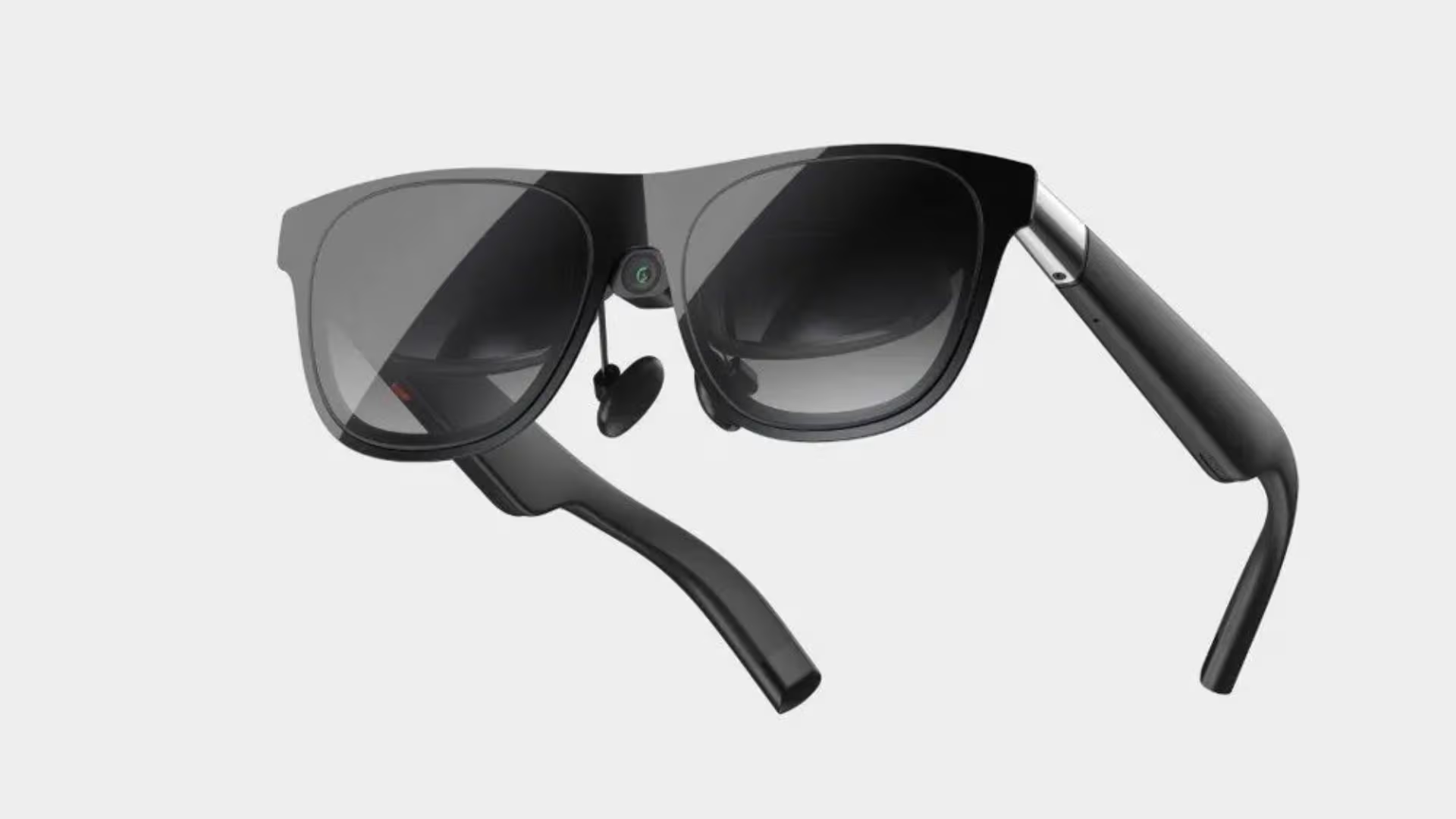
Redefining the Future of Visual Interaction Through Unprecedented Investment and Innovation
A staggering market projection of 138 billion dollars underscores the seismic shift underway in the augmented reality landscape. At the heart of this transformation is Xreal, whose mega investment signals not only confidence in the AR revolution but also a commitment to propelling the technology into everyday use. This blog dissects the multifaceted world of AR glasses—from groundbreaking hardware innovations and intelligent software ecosystems to market trends and diverse applications across industries. Through detailed narratives and technical insights, we explore how this investment will reshape consumer experiences, enterprise solutions, and even educational and healthcare innovations. Join us on a journey through the dynamic and evolving realm of AR, where cutting-edge technology and visionary investment converge to redefine our visual future.
Revolutionary AR Hardware Innovations
Lightweight and Ergonomic Designs
Imagine a pair of AR glasses that feel as natural as wearing a simple pair of eyeglasses—a design that blends futuristic functionality with everyday comfort. Engineers are now focusing on using advanced composites and streamlined components to reduce weight without compromising durability. This breakthrough in ergonomics means that prolonged usage becomes a delight rather than a burden, inviting users from professionals to casual tech enthusiasts to embrace AR as a natural extension of their visual experience. Such thoughtful design transforms the device into more than just a gadget—it becomes an integral part of daily life, opening new avenues for augmented interaction and immersive digital experiences.
Behind this design philosophy lies a commitment to human-centric innovation. Developers are leveraging cutting-edge materials and precision engineering to craft frames that are both stylish and resilient. The design ethos draws inspiration from classic eyewear while integrating modern technology, ensuring that every component serves a dual purpose of aesthetics and functionality. By minimizing bulk and maximizing comfort, these next-generation AR glasses are poised to make high-tech augmented reality accessible and enjoyable for everyone, fostering a seamless blend of digital overlays with our physical world.
Advanced Display Technologies
Picture an AR display so crisp and vibrant that it redefines what it means to see beyond the ordinary. The latest advancements in display technologies are ushering in micro-LED and OLED innovations that deliver high-resolution visuals with exceptional brightness and contrast. This leap in display quality ensures that digital content seamlessly integrates with the real world, whether for immersive gaming, professional design, or interactive learning. As AR glasses evolve, they are set to become indispensable tools that bring stunning visuals to life with unmatched clarity, making every experience feel extraordinarily real.
The technology behind these displays is as intricate as it is groundbreaking. By employing cutting-edge pixel architectures and adaptive brightness controls, engineers are able to create a visual experience that adjusts perfectly to various lighting conditions. This dynamic display system is akin to having a personalized cinema in front of your eyes—responsive, detailed, and vividly immersive. With enhanced color accuracy and depth perception, the new generation of AR glasses not only enriches visual content but also augments the way users interact with digital environments, making augmented reality a truly transformative medium.
Enhanced Battery Life and Performance
Imagine powering an entire day of augmented reality experiences without needing to recharge—a feat that blends technological prowess with user convenience. Innovations in battery technology and energy-efficient components are now converging to extend the operational life of AR glasses, ensuring that high-performance computing and vivid displays do not come at the cost of frequent recharging. This evolution in power management is critical for both enterprise applications and consumer adoption, as it promises uninterrupted, seamless usage even during intensive AR tasks.
At the core of these improvements is a reimagined balance between energy consumption and computational efficiency. Engineers are optimizing processors and integrating smart energy management systems that adjust power usage in real time. This careful calibration is similar to how a seasoned driver conserves fuel during a long journey—ensuring that every watt is utilized effectively. The result is a robust device capable of supporting complex AR applications, from real-time data overlays to immersive gaming, without sacrificing portability or convenience. As battery technology continues to evolve, the dream of all-day, high-powered AR experiences becomes increasingly tangible.

Next-Generation AR Software Ecosystem
Seamless User Interfaces and Experiences
Imagine interacting with your digital world through an interface so intuitive that it feels like second nature—a system designed to anticipate your needs and simplify complex tasks. The new generation of AR software is built on the foundation of seamless user experiences, integrating natural gestures, voice commands, and contextual awareness. This fluid interaction model transforms how users engage with digital content, making every command feel organic and every experience immersive. The emphasis on usability ensures that AR glasses are accessible to a broad audience, from tech novices to seasoned professionals.
Behind this intuitive design is a sophisticated software architecture that prioritizes real-time responsiveness and minimal latency. Developers are combining machine learning with user-centered design to create interfaces that adapt dynamically to the environment and user behavior. This approach is much like a personal assistant who intuitively understands your preferences, offering timely suggestions without overwhelming you. By merging streamlined controls with powerful backend processing, the system provides an experience that is both engaging and remarkably efficient, paving the way for AR to become an integral part of everyday digital interactions.
AI Integration and Real-Time Data Processing
Picture a scenario where augmented reality responds instantly to your environment, overlaying real-time information with precision and clarity. AI integration is at the forefront of this revolution, enabling AR glasses to process vast amounts of data on the fly. From object recognition and contextual analysis to predictive analytics, artificial intelligence transforms these devices into smart, adaptive tools that enhance every interaction. This fusion of AI and AR is setting the stage for a future where digital and physical realities merge seamlessly, offering insights and interactivity that were once the stuff of science fiction.
The technical backbone of this innovation lies in advanced machine learning algorithms that analyze user data and environmental cues in real time. These algorithms are akin to a well-trained guide, interpreting complex inputs and delivering precise, context-aware information at a moment’s notice. The integration of AI not only enriches user experiences but also opens up new possibilities for personalization and automation. As AR glasses become more intelligent, they will offer tailored content and dynamic responses that adapt to individual needs and surroundings, revolutionizing the way we perceive and interact with our world.
Developer Platforms and Ecosystem Growth
Imagine a thriving digital ecosystem where developers are empowered to create groundbreaking applications that redefine augmented reality. The emergence of robust developer platforms is transforming the AR landscape by providing the tools and resources needed to build innovative experiences. These platforms offer comprehensive SDKs, APIs, and support networks that lower the barriers to entry and foster a culture of experimentation. As more developers join the AR movement, the diversity and richness of available applications will continue to grow, driving the technology’s evolution and adoption across various industries.
This burgeoning ecosystem is much like a fertile garden, where each new application and service contributes to a vibrant, interconnected network. The platforms are designed to facilitate collaboration, enabling developers to share insights, code libraries, and best practices. This communal approach accelerates innovation and ensures that the technology evolves in a direction that meets both market demands and creative aspirations. With continuous updates and community support, these developer platforms not only enhance the functionality of AR glasses but also cultivate an environment where visionary ideas can flourish, ultimately redefining the boundaries of augmented reality.
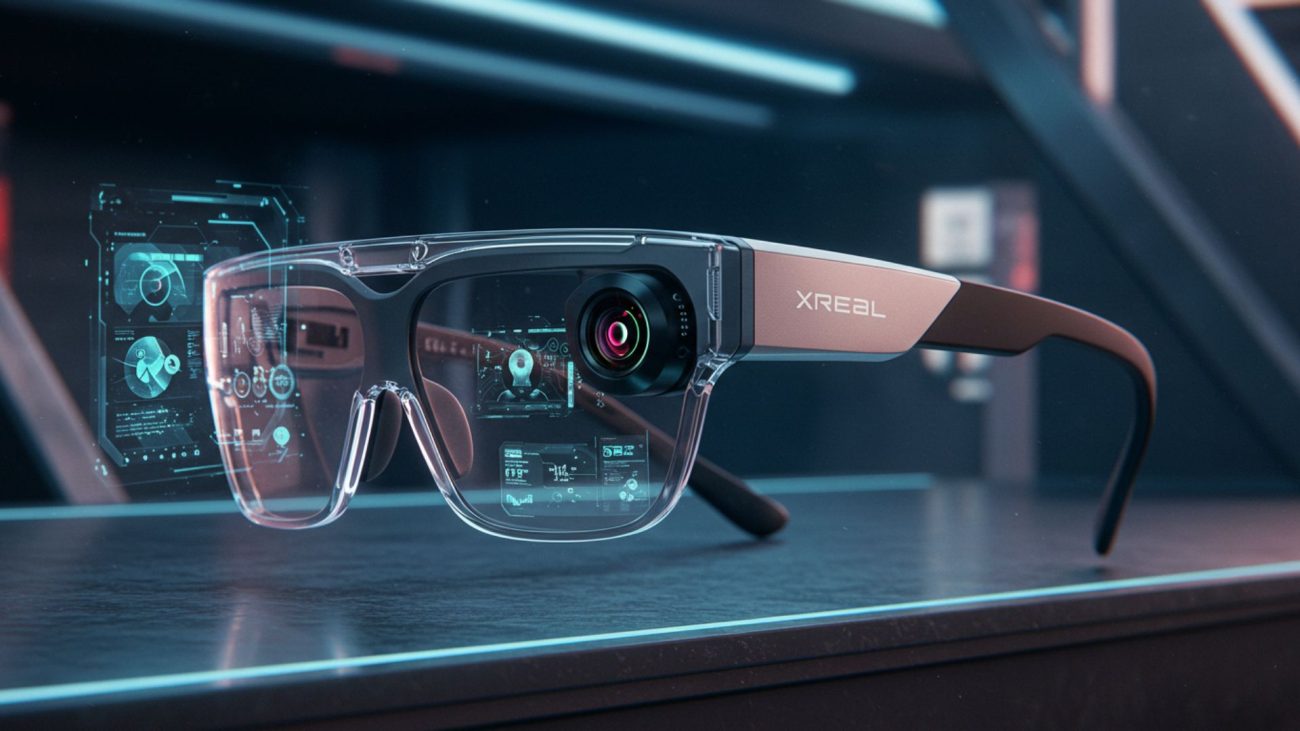
Market Trends and Investment Surge
Global Market Valuation and Projections
Imagine a market so expansive that its valuation reaches astronomical figures—a clear indicator of the immense potential and growing demand for AR technologies. Analysts project that the augmented reality market is set to soar, with valuations reaching into the hundreds of billions of dollars over the coming years. This optimistic outlook is driven by advancements in hardware, software, and connectivity, coupled with an increasing appetite for immersive digital experiences. As AR continues to permeate various sectors, from entertainment to enterprise, its transformative impact on global commerce becomes ever more apparent.
The market dynamics behind these projections are as complex as they are promising. Detailed studies reveal a confluence of factors—from rising consumer expectations and improved technological infrastructure to strategic investments by industry leaders—that are collectively driving this growth. This robust market scenario is reminiscent of a burgeoning economy, where innovation fuels expansion and every breakthrough creates new opportunities. As investors and companies alike channel substantial resources into AR development, the global market is poised for exponential growth, setting the stage for a revolution in how we interact with digital environments.
Xreal’s Mega Investment Strategy
Imagine a visionary company stepping forward with a bold commitment to reshape an entire industry—a strategy marked by a mega investment that signals unparalleled confidence in the future of AR. Xreal’s ambitious funding plans are designed to accelerate the development and deployment of next-generation AR glasses, positioning the company as a leader in the emerging digital landscape. This investment is not merely a financial maneuver; it’s a strategic statement that underscores the transformative potential of augmented reality. With a clear focus on innovation and scalability, Xreal aims to harness this capital to push the boundaries of what AR can achieve.
At the heart of Xreal’s strategy is a commitment to long-term growth and industry leadership. The company is channeling its resources into research and development, strategic partnerships, and market expansion initiatives that will pave the way for widespread adoption of AR technology. This proactive approach is akin to planting seeds for the future, ensuring that the company remains at the forefront of technological evolution. By investing heavily in both hardware and software innovation, Xreal is laying a solid foundation for a new era in augmented reality—one where visionary investments translate into tangible, transformative outcomes.
Impact on the AR Industry Landscape
Imagine the ripple effect of a mega investment that reshapes an entire technological ecosystem—this is the impact that Xreal’s bold move is expected to have on the AR industry. As significant capital flows into research, development, and market expansion, the entire landscape of augmented reality is poised for rapid evolution. This influx of investment acts as a catalyst, spurring innovation, driving down production costs, and ultimately making AR technologies more accessible to a broader audience. The resulting competitive environment encourages all players in the market to up their game, leading to higher-quality products and more diverse applications.
The broader impact of such investments extends far beyond individual companies. It creates an ecosystem in which innovation thrives—a dynamic environment where established giants and nimble startups alike push the boundaries of what’s possible. This transformation is much like a technological renaissance, where each breakthrough builds on the last to form a cohesive, forward-moving industry. As more capital is directed toward AR, the technology’s applications will expand, influencing sectors as varied as retail, education, and healthcare. In this evolving landscape, the AR industry is not only growing in size but also maturing in sophistication, setting the stage for a future where digital and physical realities converge seamlessly.

Applications and Impact of AR Glasses
Transforming Consumer Experiences
Imagine a world where shopping, gaming, and social interactions are all enriched by a layer of digital insight—a reality where AR glasses enhance every facet of consumer life. By overlaying digital content onto the real world, AR devices are transforming how consumers interact with their environment. From interactive advertisements to immersive gaming experiences, these glasses offer an unprecedented level of engagement and personalization. This technology enables users to access contextually relevant information, navigate complex environments, and experience entertainment in a wholly new way, making everyday activities more interactive and enjoyable.
The transformative power of AR on consumer experiences is akin to adding a digital dimension to reality—where every interaction is enhanced by real-time data and vivid visuals. Retailers can provide virtual try-ons, while tourism apps offer interactive historical overlays that bring landmarks to life. The immersive nature of AR redefines engagement, turning routine tasks into dynamic experiences. As this technology matures, consumers will find that the convenience, entertainment, and personalization provided by AR glasses enrich daily life, blurring the line between digital innovation and real-world functionality in ways that are both practical and deeply engaging.
Enterprise Solutions and Industry Applications
Imagine an enterprise where the power of augmented reality streamlines operations, enhances collaboration, and drives innovation—a scenario that is fast becoming a reality in industries around the globe. AR glasses are now being adopted by businesses to facilitate everything from remote assistance and real-time data visualization to interactive training and workflow optimization. These applications not only improve efficiency but also empower employees to access critical information instantly, regardless of their physical location. As industries such as manufacturing, logistics, and field services integrate AR into their operations, the impact is nothing short of transformative, fostering a new era of digital enterprise solutions.
The role of AR in the enterprise sphere is similar to that of a digital assistant—one that provides immediate, context-aware insights to support decision-making and streamline processes. By overlaying critical data directly into the user’s field of vision, AR glasses help bridge the gap between complex information systems and practical, on-the-ground operations. This integration of digital intelligence into everyday work environments leads to enhanced productivity and a more agile, informed workforce. As the technology evolves, its applications will expand further, cementing its position as a vital tool for modern enterprises looking to stay ahead in an increasingly competitive landscape.
Educational and Healthcare Innovations
Imagine stepping into a classroom or a hospital where augmented reality transforms the learning and care experience—making abstract concepts tangible and complex procedures clearer than ever before. AR glasses are increasingly being used in educational settings to create interactive, immersive lessons that engage students through dynamic visualizations and real-time data overlays. In healthcare, they serve as powerful tools for both training and patient care, allowing medical professionals to access critical information, visualize complex anatomy, and even simulate surgical procedures. These innovations are not only enhancing the quality of education and healthcare but also paving the way for more personalized and effective outcomes.
The integration of AR into education and healthcare is reminiscent of a technological bridge connecting theory to practice. In classrooms, students can interact with 3D models and immersive simulations that make learning both engaging and memorable. In medical settings, augmented reality provides a new dimension of precision and insight, enabling professionals to better understand intricate procedures and make informed decisions. This blend of technology and human expertise is set to revolutionize these critical sectors, offering solutions that are as innovative as they are impactful. As AR glasses continue to evolve, they promise to drive significant improvements in both educational methodologies and healthcare practices, ultimately enhancing lives and broadening horizons.

Future Outlook: AR’s Evolution and Integration
Emerging Technologies and Convergence
Imagine a future where augmented reality converges with other breakthrough technologies—creating a seamless digital tapestry that transforms every aspect of our lives. The AR industry is on the cusp of a new era, where advancements in AI, 5G connectivity, and sensor technologies come together to offer an even more integrated and immersive experience. This convergence is set to enhance real-time data processing, improve interactivity, and open up entirely new applications across various sectors. As these emerging technologies integrate, they promise to elevate AR from a niche gadget to a ubiquitous tool that redefines how we perceive and interact with the world around us.
The fusion of these technologies is similar to an orchestra where every instrument plays in perfect harmony—each innovation adding its unique note to a grand, digital symphony. This collaborative progress will drive improvements in device performance, reduce latency, and increase overall user satisfaction. The result is a future in which augmented reality becomes a natural extension of our everyday interactions, seamlessly integrating into our professional and personal lives. As technology continues to evolve at a rapid pace, the convergence of these cutting-edge fields will ensure that AR remains at the forefront of digital transformation, continually expanding its capabilities and redefining its role in our interconnected world.
Regulatory and Privacy Considerations
Imagine navigating a digital frontier where innovation is balanced with responsibility—a landscape where regulatory frameworks and privacy safeguards are as integral as technological advancements. As AR glasses become more widespread, concerns regarding data security, user privacy, and ethical usage inevitably rise to the forefront. Policymakers and industry leaders are working together to establish guidelines that protect consumers while fostering innovation. This delicate balance is crucial for ensuring that the rapid advancement of AR technology does not come at the expense of individual rights or public trust. A thoughtful approach to regulation will be key to maintaining the momentum of AR’s growth while addressing potential pitfalls.
The challenge of establishing robust regulatory measures is akin to constructing a strong yet flexible scaffold that supports both innovation and accountability. By setting clear standards and implementing transparent policies, stakeholders can create an environment where technological progress and user protection coexist harmoniously. These efforts will help build consumer confidence and encourage the responsible development and deployment of AR technologies. As regulatory frameworks evolve alongside technological advancements, the industry will be better positioned to address challenges proactively, ensuring that the benefits of augmented reality are realized without compromising on security or ethical standards.
The Road Ahead for AR Adoption
Imagine a future where augmented reality is as commonplace as smartphones—an essential tool that enriches every facet of modern life. The road ahead for AR adoption is paved with opportunities, as continued investments, technological breakthroughs, and evolving consumer expectations converge to drive widespread integration. This transformative journey promises not only to revolutionize industries such as retail, healthcare, and education but also to reshape everyday interactions. The trajectory of AR is set on an upward path, fueled by innovation, market demand, and the vision of a more connected, interactive future.
Looking forward, the evolution of AR technology will depend on sustained collaboration among tech companies, regulators, and consumers. As more groundbreaking applications emerge and as devices become more affordable and user-friendly, AR is poised to transition from a futuristic novelty to an indispensable part of daily life. This progression is much like watching a seed grow into a mighty tree—each stage marked by incremental advancements that collectively lead to a profound transformation. With ongoing support and strategic investment, the promise of augmented reality will unfold, ultimately transforming our world into one where digital and physical realities blend in perfect harmony.
Frequently Asked Questions
What is driving the current surge in AR investments?
The rapid growth in AR investments is fueled by a convergence of technological advancements, increased consumer interest, and substantial market potential. Visionary companies like Xreal are investing heavily in research and development to bring next-generation AR glasses to market, while broader trends in AI, 5G, and advanced display technologies further accelerate innovation. This combination of factors creates a fertile environment for groundbreaking products and services, driving widespread confidence in the future of augmented reality.
How will Xreal’s investment impact the AR industry?
Xreal’s mega investment is expected to act as a catalyst for innovation across the AR ecosystem. By channeling significant resources into both hardware and software development, the company aims to set new industry benchmarks and drive widespread adoption. This bold move not only strengthens Xreal’s market position but also stimulates competitive advancements among other players, ultimately enhancing the overall quality and accessibility of AR technology.
What industries stand to benefit most from AR glasses?
A wide range of industries—from retail and entertainment to healthcare and education—are poised to benefit from the integration of AR glasses. In retail, AR can transform shopping experiences with virtual try-ons and interactive displays. In healthcare, it aids in training, diagnostics, and patient care, while in education, it offers immersive, interactive learning opportunities. The versatility of AR ensures that its applications extend across diverse sectors, driving efficiency, engagement, and innovation.
Are there any concerns regarding privacy and regulation with AR technology?
Yes, as AR technology becomes more pervasive, concerns regarding data security, privacy, and ethical usage naturally emerge. Regulators and industry leaders are actively working to develop robust frameworks that balance technological innovation with user protection. Transparent policies and clear guidelines are essential to address potential privacy issues, ensuring that the benefits of AR can be enjoyed without compromising individual rights or public trust.
What does the future hold for augmented reality adoption?
The future of augmented reality is extremely promising, with ongoing investments, technological breakthroughs, and evolving consumer expectations driving its adoption. As AR glasses become more affordable and feature-rich, they are likely to become a standard tool in both personal and professional settings. The convergence of emerging technologies such as AI and 5G will further enhance AR capabilities, paving the way for a future where digital and physical realities seamlessly integrate into everyday life.
By delving into the transformative power of AR glasses and examining the strategic mega investment by Xreal, we glimpse the future of visual interaction. From revolutionary hardware innovations and intuitive software ecosystems to a rapidly evolving market landscape and expansive real-world applications, augmented reality is set to redefine how we experience our world. As technology continues to advance and investments fuel progress, AR will become a cornerstone of modern life—merging digital insights with tangible reality to create a truly immersive future.