
In a world where technology continues to evolve at a rapid pace, Augmented Reality (AR) has emerged as one of the most exciting and transformative innovations of recent times. As we increasingly interact with digital content in our everyday lives, AR bridges the gap between the virtual and physical worlds, offering users immersive experiences that are both engaging and informative. This article delves into the concept of Augmented Reality, exploring its definition, applications across various industries, benefits, challenges, and its potential to shape the future.
What is Augmented Reality?
Augmented Reality (AR) is a technology that overlays digital information—such as images, sounds, or text—onto the real world, enhancing the user’s perception of their environment. Unlike Virtual Reality (VR), which creates a fully immersive digital experience, AR integrates digital elements into the real world, allowing users to interact with their surroundings in new and meaningful ways. AR can be experienced through various devices, including smartphones, tablets, smart glasses, and headsets, making it accessible to a wide audience.
Applications of Augmented Reality
AR’s versatility has led to its adoption across a range of industries, each utilizing the technology to create innovative solutions and enhance user experiences.
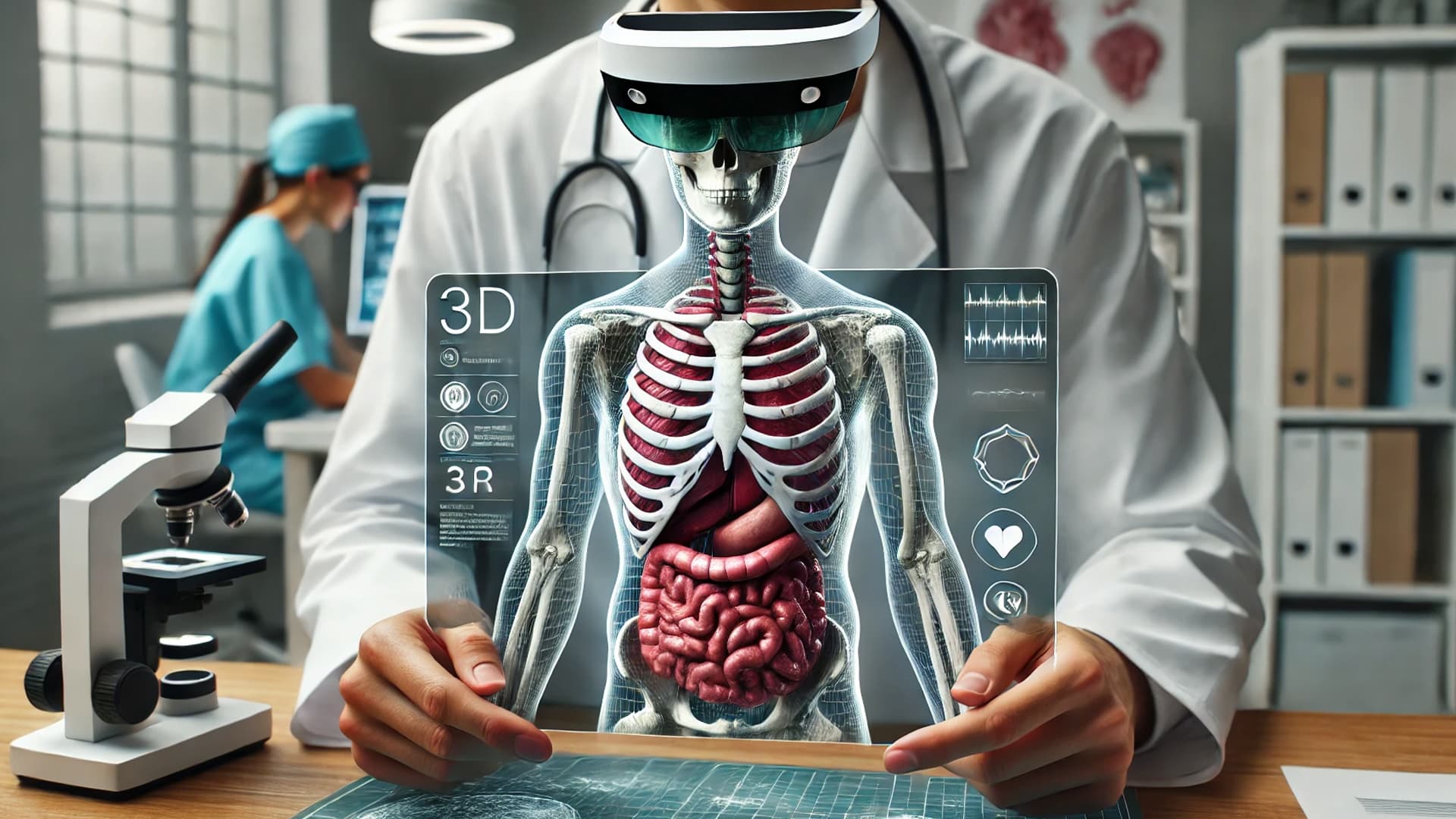
In healthcare, AR is revolutionizing medical training and patient care. For instance, surgeons can use AR to visualize a patient’s anatomy in 3D before performing a procedure, improving accuracy and outcomes. Medical students can also benefit from AR by practicing surgeries in a simulated environment, allowing them to gain valuable experience without the risks associated with real-life operations. Moreover, AR is being used in physical therapy, where patients can engage in interactive exercises guided by AR to aid their recovery process.
AR is transforming the educational landscape by making learning more interactive and engaging. Textbooks and classrooms are being enhanced with AR content that brings lessons to life, allowing students to explore 3D models of historical landmarks, scientific phenomena, and more. For example, biology students can dissect virtual frogs using AR, providing a hands-on learning experience without the ethical concerns of using real animals. Additionally, AR field trips can transport students to far-off places, such as the surface of Mars or the depths of the ocean, offering immersive educational experiences that were previously unimaginable.
The entertainment industry has been quick to adopt AR, particularly in gaming and live events. AR games, like Pokémon GO, have captivated millions of players worldwide by blending the real world with virtual characters and challenges. Beyond gaming, AR is being used in theme parks, museums, and live concerts to create interactive experiences that engage audiences in new and exciting ways. For instance, visitors to a museum can use AR to see artifacts in their original context or to explore additional content that complements the exhibits.
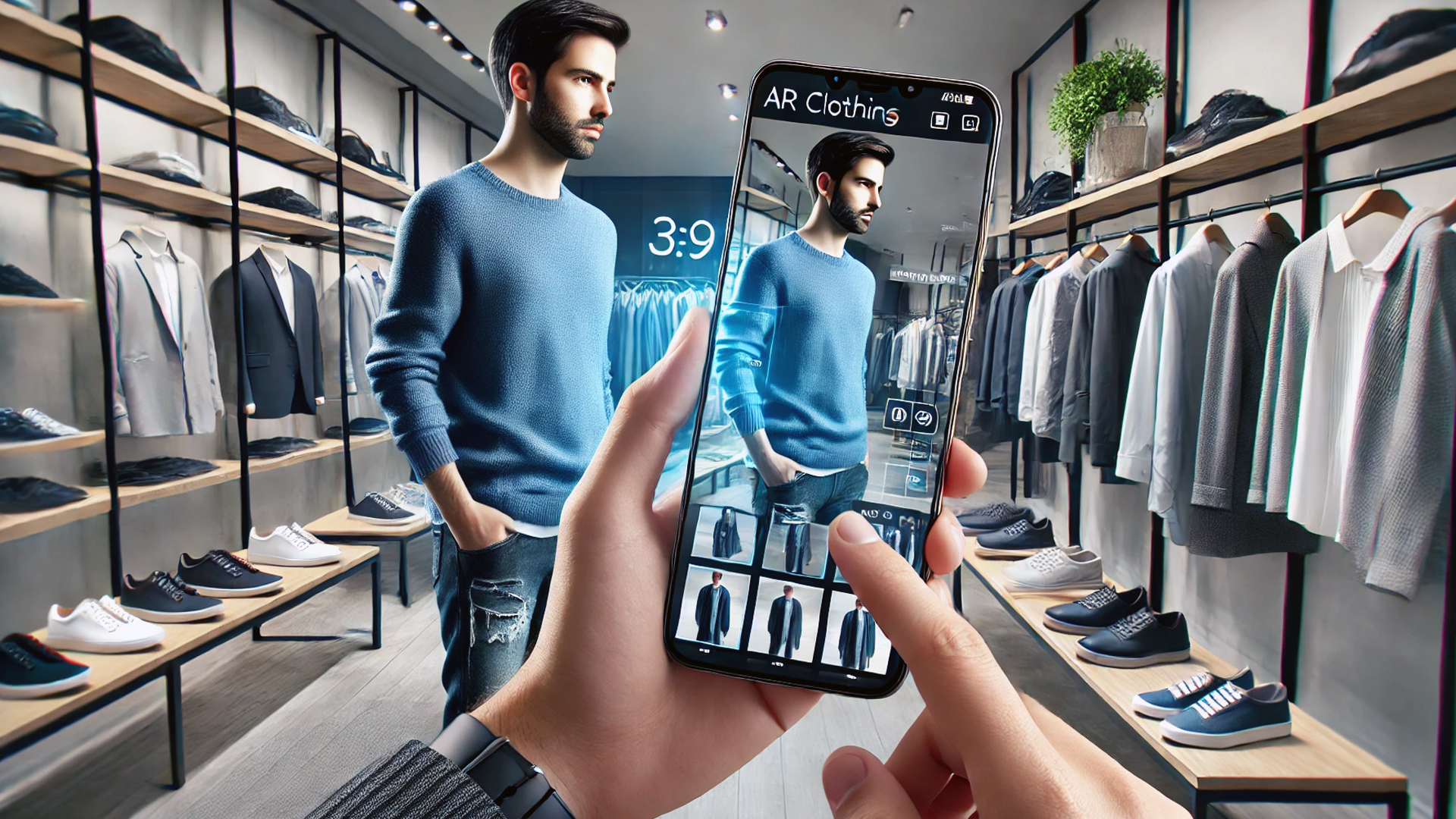
In the marketing and retail sectors, AR is being leveraged to enhance customer engagement and drive sales. Brands are using AR to create virtual try-on experiences, where customers can see how clothes, accessories, or even makeup will look on them without needing to visit a physical store. This not only improves the shopping experience but also reduces the likelihood of returns, as customers can make more informed purchasing decisions. Additionally, AR is being used in advertising campaigns to create memorable and interactive experiences that capture consumers' attention and build brand loyalty.
Benefits of Augmented Reality
The adoption of AR technology offers numerous benefits, making it a valuable tool for both consumers and businesses.
AR provides users with immersive and interactive experiences that are far more engaging than traditional methods. By overlaying digital content onto the real world, AR allows users to interact with information in a more meaningful way, whether it's exploring a 3D model of a product or receiving real-time data on their surroundings.
In industries such as healthcare and manufacturing, AR can improve efficiency by providing real-time guidance and information. For example, technicians can use AR to access digital manuals and instructions while working on complex machinery, reducing errors and increasing productivity. Similarly, AR in logistics can optimize warehouse operations by guiding workers to the exact location of items, streamlining the picking and packing process.
AR has the power to captivate users' attention by creating memorable and interactive experiences. This is particularly valuable in marketing, where AR can turn passive consumers into active participants, increasing engagement and brand recall. Additionally, AR's ability to provide personalized experiences, such as virtual try-ons or interactive product demonstrations, helps build stronger connections between brands and consumers.
Challenges and Concerns
Despite its many benefits, AR technology is not without its challenges and concerns.
Technical Limitations
While AR technology has advanced significantly, there are still technical limitations that need to be addressed. For instance, creating high-quality AR experiences requires powerful hardware and software, which can be costly and inaccessible to some users. Additionally, issues such as battery life, processing power, and the accuracy of AR tracking are ongoing challenges that developers must overcome to deliver seamless experiences.
User Adoption and Accessibility
For AR to reach its full potential, widespread user adoption is necessary. However, some users may be hesitant to embrace AR due to unfamiliarity with the technology or concerns about its usability. Additionally, making AR accessible to individuals with disabilities or those who do not have access to the latest devices is crucial to ensuring that AR technology benefits everyone.
Augmented Reality is more than just a futuristic concept—it is a powerful technology that is already making a significant impact across various industries. From revolutionizing healthcare and education to enhancing entertainment and retail experiences, AR has the potential to transform how we interact with the world around us. While challenges such as privacy, technical limitations, and user adoption remain, the benefits of AR are undeniable. As AR technology continues to evolve and become more accessible, it will undoubtedly play a crucial role in shaping the future, offering new ways to learn, work, and play. The possibilities are endless, and the future of AR is bright.
As we stand on the brink of a new era in digital interaction, one thing is clear: Augmented Reality is here to stay, and its potential is only just beginning to be realized. Whether you're a business looking to innovate or a consumer eager to explore, AR offers a glimpse into a future where the digital and physical worlds seamlessly merge, creating experiences that are as enriching as they are exciting.