
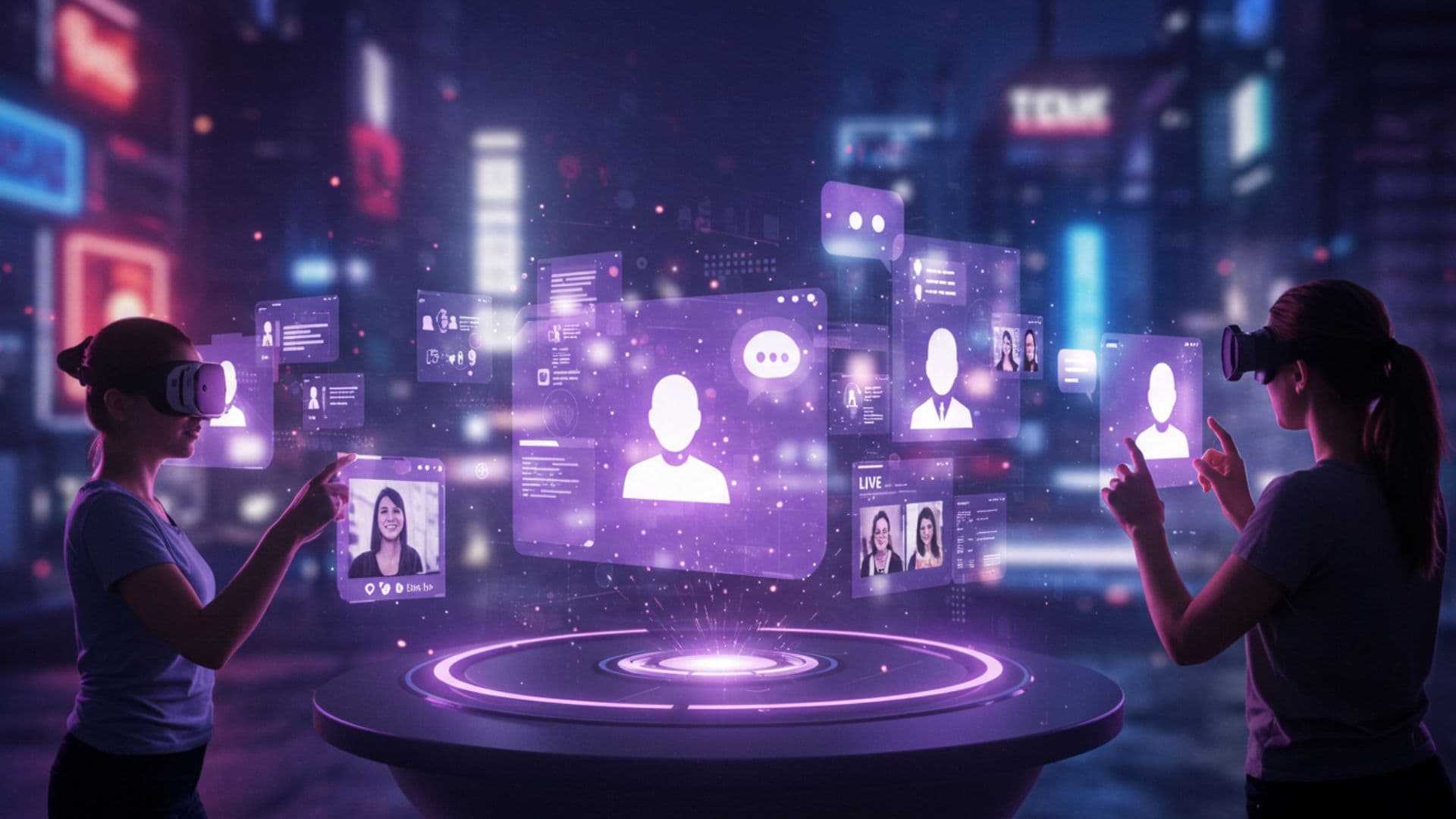
Revolutionizing Connections: The Integration of Augmented Reality in Social Media
Imagine scrolling through your favorite social media feed, and suddenly, the mundane transforms into the extraordinary. A simple photo becomes an interactive 3D experience, and a static advertisement morphs into a dynamic, personalized engagement. Augmented Reality (AR) is no longer a futuristic concept confined to science fiction; it has seamlessly integrated into the fabric of social media, redefining how users interact, share, and engage online. As AR technology continues to evolve, social media platforms are at the forefront of this transformation, leveraging AR to create immersive experiences that enhance user interaction, foster creativity, and drive engagement. This exploration delves into the innovative ways social media is incorporating AR features, analyzing their impact on user behavior and the broader digital landscape.
Advanced AR Filters and Effects
The Evolution of AR Filters: From Fun to Functional
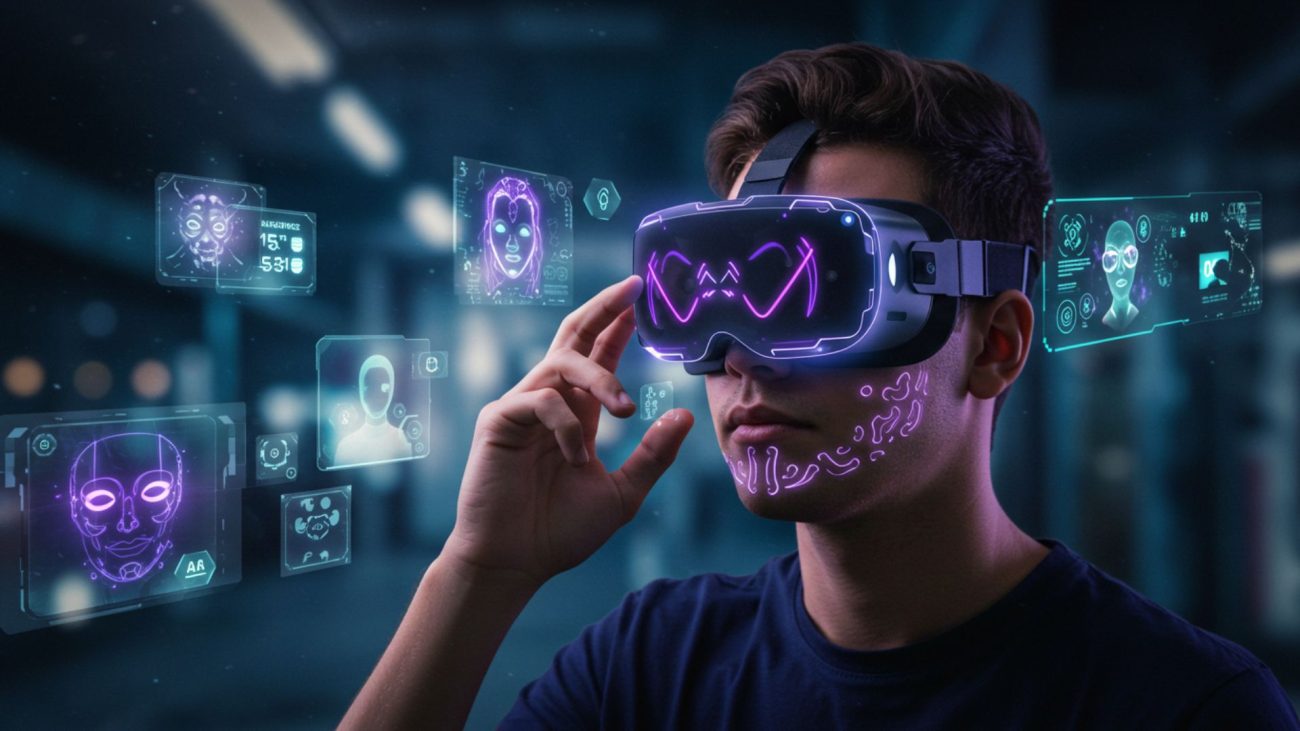
Imagine snapping a selfie and instantly transforming into a mythical creature or placing virtual makeup that perfectly complements your style. AR filters have revolutionized the way users express themselves on social media, transitioning from simple face modifications to sophisticated, interactive enhancements. Platforms like Snapchat and Instagram pioneered this trend, offering a vast array of filters that not only entertain but also allow users to experiment with their appearance and surroundings. The evolution of AR filters has moved beyond mere aesthetic changes; they now incorporate interactive elements such as animated effects, real-time facial recognition, and contextual adaptations that respond to the user's environment.
This transformation is akin to moving from a static painting to a dynamic, interactive art installation where the audience plays an active role in shaping the experience. As AR technology advances, filters are becoming more intelligent, leveraging machine learning algorithms to provide personalized and context-aware enhancements. This shift empowers users to create more meaningful and engaging content, fostering a deeper connection between the individual and their digital persona. The integration of advanced AR filters not only enhances visual appeal but also serves as a powerful tool for storytelling and creative expression, setting the stage for a more interactive and immersive social media experience.
Interactive Storytelling with AR Effects
Imagine narrating a story on social media where your surroundings come alive, objects interact with your gestures, and narratives unfold in three-dimensional space. Interactive storytelling through AR effects is transforming traditional content creation by enabling users to craft more engaging and immersive narratives. Social media platforms are increasingly providing tools that allow users to incorporate AR elements into their stories, making them more dynamic and captivating. For instance, Instagram Stories now support AR-driven animations that respond to user interactions, such as tapping, swiping, or even specific facial movements.
This approach is comparable to directing a live theater performance where the environment and props dynamically change in response to the actors' actions, creating a more engaging and responsive audience experience. By integrating AR into storytelling, creators can elevate their narratives, making them more interactive and memorable. This not only enhances user engagement but also encourages creativity and experimentation, as users explore new ways to convey their stories and connect with their audience. As AR continues to evolve, the potential for interactive storytelling on social media is boundless, paving the way for more innovative and personalized content.
AR Filters as a Branding Tool
Imagine a global brand launching a unique AR filter that allows users to interact with their products in a virtual environment, enhancing brand visibility and engagement. AR filters have emerged as a potent branding tool, enabling businesses to create immersive and interactive experiences that resonate with their target audience. Brands are leveraging AR to develop custom filters that reflect their identity, promote new products, and engage users in innovative ways. For example, a cosmetics brand might introduce an AR filter that allows users to virtually try on different makeup products, while a fashion brand could offer filters that showcase their latest apparel line in a virtual runway setting.
This strategy is akin to creating a virtual showroom where customers can interact with products in a personalized and engaging manner, enhancing their overall brand experience. By utilizing AR filters, brands can foster a deeper connection with their audience, driving both engagement and conversion rates. Furthermore, AR filters encourage user-generated content, as users share their interactions with the brand, amplifying its reach and visibility across social media platforms. As AR technology becomes more accessible and sophisticated, its role in branding and marketing is set to expand, offering brands innovative avenues to connect with consumers in meaningful and memorable ways.
AR-Driven Advertising and Marketing
Immersive Ad Experiences with AR
Imagine encountering an advertisement on your social media feed that not only showcases a product but allows you to interact with it in a virtual space. AR-driven advertising is transforming traditional marketing strategies by creating immersive and interactive ad experiences that engage users on a deeper level. Instead of passively viewing ads, users can now interact with virtual products, visualize them in their environment, and even customize features in real-time. Platforms like Facebook and Instagram are pioneering this trend, offering AR advertising solutions that enable brands to create more engaging and personalized ad content.
This approach is similar to experiential marketing, where consumers engage with a brand through interactive and memorable experiences rather than conventional promotional methods. By integrating AR into advertising, brands can capture users' attention more effectively, leading to higher engagement rates and a more profound impact on consumer behavior. AR-driven ads not only enhance user experience but also provide valuable insights into consumer preferences and interactions, allowing brands to tailor their marketing strategies more precisely. As AR technology continues to advance, the potential for creating highly personalized and interactive advertising experiences will only grow, reshaping the future of digital marketing.
Targeted Marketing with AR Analytics
Imagine a marketing campaign that not only reaches your target audience but also adapts in real-time based on their interactions and preferences. AR analytics is revolutionizing targeted marketing by providing brands with deeper insights into user behavior and engagement within AR experiences. By tracking how users interact with AR ads—such as the duration of engagement, specific interactions, and customization choices—brands can gather valuable data that informs their marketing strategies. This data-driven approach allows for more precise targeting and personalization, ensuring that marketing efforts resonate more effectively with the intended audience.
This is comparable to having a live feedback loop where marketers can instantly gauge the effectiveness of their campaigns and make data-informed adjustments to optimize performance. AR analytics enhances the ability to understand user preferences and behavior patterns, enabling brands to create more relevant and impactful marketing messages. Additionally, the integration of AR with Artificial Intelligence (AI) and Machine Learning (ML) technologies can further refine targeting and personalization, predicting user preferences and tailoring experiences accordingly. As AR analytics becomes more sophisticated, it will play a crucial role in shaping the future of targeted marketing, driving greater efficiency and effectiveness in digital advertising campaigns.
Collaborative AR Marketing Campaigns
Imagine a global marketing campaign where users from different parts of the world collaborate in a shared AR environment, creating a unified and interactive brand experience. Collaborative AR marketing campaigns are pushing the boundaries of traditional advertising by fostering interactive and communal engagement among users. These campaigns encourage users to participate in shared AR experiences, such as virtual events, interactive games, or collaborative product design sessions, enhancing brand interaction and fostering a sense of community.
This concept is akin to organizing a global virtual festival where participants can interact, collaborate, and engage with the brand in a shared digital space, transcending geographical barriers. By facilitating collaborative interactions, brands can create more meaningful and memorable experiences that drive deeper connections with their audience. Additionally, these campaigns generate a higher level of user-generated content, as participants share their collaborative experiences on social media, amplifying the campaign's reach and impact. As AR technology continues to evolve, collaborative marketing campaigns will offer brands innovative ways to engage with their audience, fostering loyalty and enhancing brand perception on a global scale.
Enhanced User-Generated Content with AR Tools
Empowering Creativity with AR Content Creation Tools
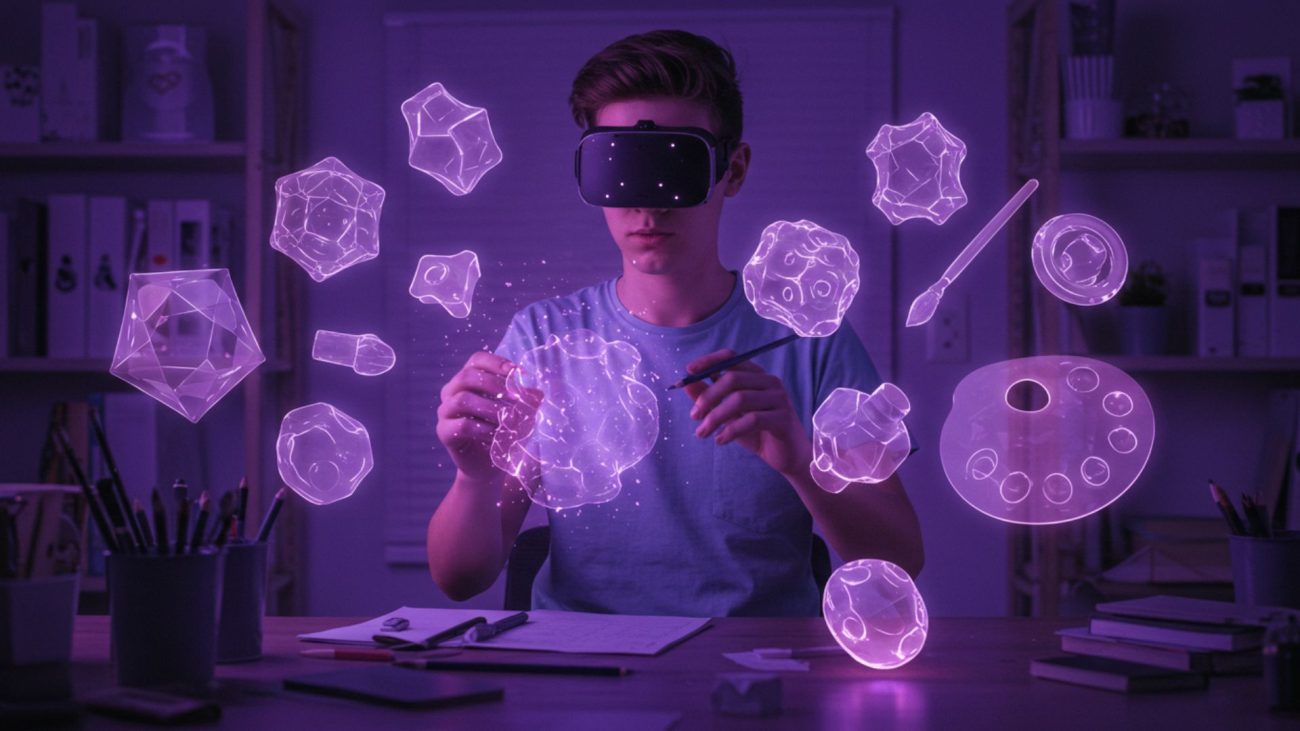
Imagine a world where your creative ideas come to life with just a few taps, allowing you to design and share immersive AR content effortlessly. AR content creation tools are empowering users to unleash their creativity by providing intuitive and accessible platforms for designing and sharing AR experiences. Social media platforms are increasingly integrating these tools, enabling users to create their own AR filters, effects, and interactive elements without requiring advanced technical skills. Tools like Spark AR Studio for Facebook and Instagram offer a range of features that allow users to experiment with 3D modeling, animation, and interactive scripting, fostering a new wave of user-generated AR content.
This empowerment is similar to providing a digital canvas where artists can paint, sculpt, and animate their ideas in a three-dimensional space, making AR content creation accessible to a broader audience. By democratizing the creation process, AR tools encourage more users to engage with AR technology, leading to a diverse array of creative and innovative content on social media platforms. This not only enhances the richness of the content ecosystem but also fosters a sense of community and collaboration among creators. As AR content creation tools continue to advance, they will play a pivotal role in shaping the future of user-generated content, driving innovation and creativity across social media platforms.
Community Building through AR-Enhanced Content
Imagine participating in a virtual community event where AR elements bring participants closer, fostering a sense of belonging and shared experience. AR-enhanced content is playing a significant role in community building on social media by creating interactive and immersive experiences that connect users in meaningful ways. Whether it's through virtual meetups, collaborative projects, or shared AR filters, these enhanced experiences foster a sense of community and engagement among users. Platforms like TikTok and Instagram are leveraging AR to create interactive challenges, virtual events, and collaborative content, encouraging users to participate and connect with others who share similar interests.
This approach is akin to creating a virtual town square where individuals can gather, interact, and collaborate on various activities, strengthening community bonds and enhancing social interactions. By incorporating AR into community-building efforts, social media platforms can create more engaging and interactive environments that encourage participation and collaboration. This not only enhances user experience but also fosters loyalty and long-term engagement, as users feel more connected to the platform and each other. As AR technology continues to integrate deeper into social media, it will further enhance the ability to build and sustain vibrant online communities, driving user engagement and satisfaction.
Monetizing User-Generated AR Content
Imagine turning your creative AR content into a source of income, where brands and platforms recognize and reward your innovative contributions. Monetizing user-generated AR content is becoming a viable avenue for creators to earn revenue from their AR creations, incentivizing the production of high-quality and engaging content. Social media platforms are introducing monetization features that allow creators to earn through sponsored AR filters, branded content partnerships, and direct sales of custom AR effects. For instance, creators can collaborate with brands to design exclusive AR filters that promote products or services, earning a commission or fee for their work.
This monetization model is comparable to traditional content monetization strategies, where creators earn through ads, sponsorships, and merchandise sales, but with a focus on AR-specific content. By providing creators with the tools and opportunities to monetize their AR creations, social media platforms are fostering a thriving ecosystem of innovation and creativity. This not only benefits the creators by providing financial incentives but also enhances the platform's content diversity and engagement levels. As AR monetization models continue to evolve, they will play a crucial role in sustaining a vibrant and dynamic content ecosystem, encouraging more users to explore and create AR-enhanced content.
Virtual Try-Ons and Shopping Experiences
Revolutionizing E-Commerce with AR Try-Ons
Imagine trying on clothes, accessories, or makeup virtually, seeing how they look on you in real-time before making a purchase. Virtual try-ons are revolutionizing e-commerce by integrating AR technology into the shopping experience, allowing users to visualize products in a realistic and interactive manner. Social media platforms like Instagram and Snapchat are pioneering this trend by offering AR-powered shopping features that enable users to virtually try on products such as clothing, eyewear, and cosmetics directly within the app. This immersive experience not only enhances user engagement but also provides a more informed and satisfying shopping journey.
This innovation is akin to having a personal stylist who can instantly showcase different styles and products on you, eliminating the guesswork and uncertainty often associated with online shopping. By leveraging AR try-ons, retailers can reduce return rates, increase customer satisfaction, and drive higher conversion rates, as users gain a better understanding of how products will look and fit in real life. Additionally, virtual try-ons enhance the social shopping experience, allowing users to share their virtual looks with friends and seek opinions before making a purchase. As AR technology continues to advance, virtual try-ons will become increasingly sophisticated, offering even more personalized and accurate representations of products, further transforming the e-commerce landscape.
Enhancing the Shopping Journey with AR Navigation
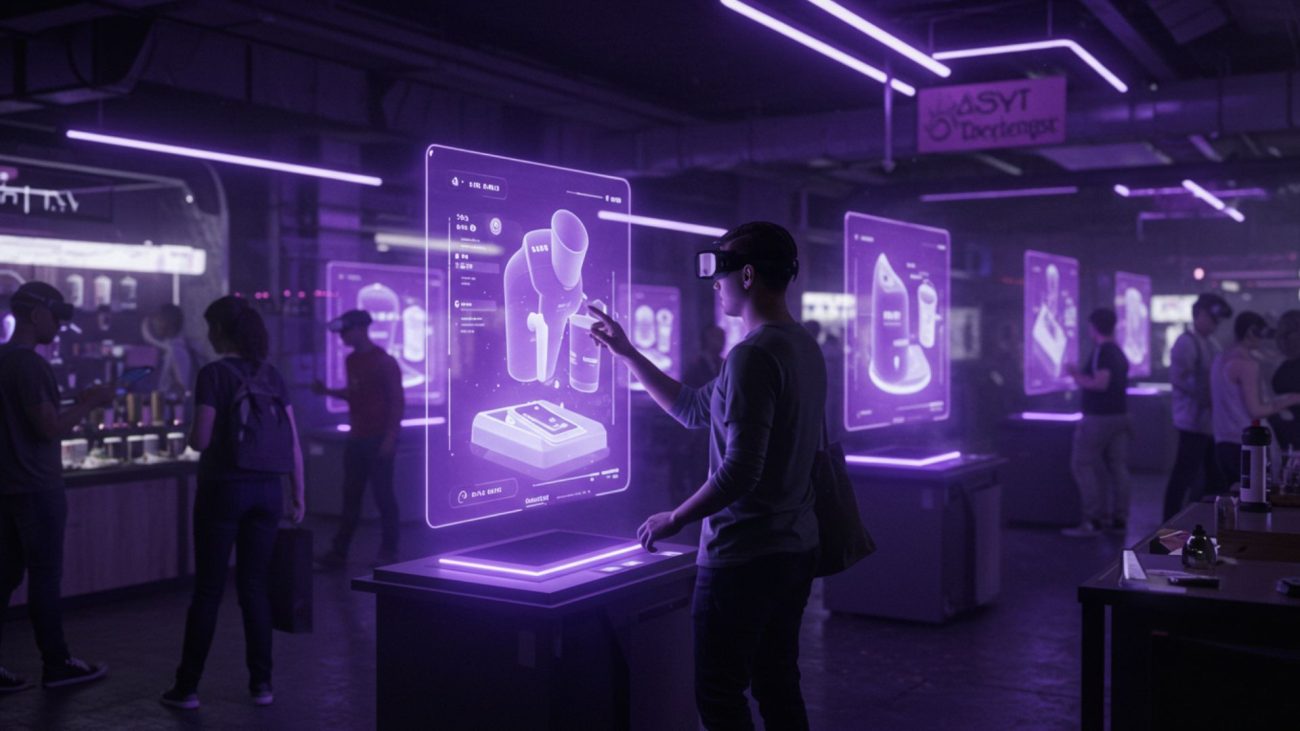
Imagine navigating a large virtual store where AR guides lead you to your desired products, providing real-time information and personalized recommendations along the way. AR navigation is enhancing the online shopping journey by creating more intuitive and interactive environments that guide users through virtual stores and marketplaces. Social media platforms are incorporating AR features that allow users to explore virtual showrooms, interact with products in a three-dimensional space, and receive personalized recommendations based on their preferences and browsing behavior.
This enhancement is similar to having a knowledgeable shopping assistant who can guide you through a store, highlight featured products, and provide detailed information as you browse. By integrating AR navigation into the shopping experience, retailers can create a more engaging and efficient journey, helping users discover products they might not have found otherwise and making the overall shopping process more enjoyable. Additionally, AR navigation can facilitate more seamless integration between online and offline shopping experiences, allowing users to virtually explore physical stores from the comfort of their homes. As AR technology continues to evolve, its application in enhancing the shopping journey will offer users more immersive and personalized experiences, driving greater engagement and loyalty.
Personalized Shopping Experiences with AR
Imagine a shopping experience where AR tailors product recommendations to your unique style and preferences, creating a customized and engaging journey. Personalized shopping experiences powered by AR are transforming how users interact with products and brands on social media, offering tailored recommendations and interactive experiences that cater to individual tastes. Social media platforms are leveraging AR to analyze user behavior, preferences, and interactions to deliver personalized product suggestions and virtual experiences that align with each user's unique style and needs.
This personalization is akin to having a personal shopper who understands your tastes and preferences, curating a selection of products that perfectly match your style. By using AR to provide customized recommendations, retailers can enhance user satisfaction and drive higher conversion rates, as users are more likely to engage with and purchase products that resonate with their personal preferences. Additionally, personalized AR experiences can increase brand loyalty and customer retention, as users feel more connected to brands that understand and cater to their individual needs. As AR technology continues to integrate with AI and data analytics, the ability to deliver highly personalized and interactive shopping experiences will become even more refined, further revolutionizing the e-commerce landscape.
Integration of AR in Live Streaming and Storytelling
Interactive Live Streams with AR Enhancements
Imagine watching a live stream where the host interacts with virtual elements, creating a more dynamic and engaging viewing experience. Interactive live streams powered by AR are transforming the way content creators engage with their audience on social media, offering immersive and interactive experiences that go beyond traditional live broadcasting. Platforms like Facebook Live, Instagram Live, and TikTok Live are integrating AR features that allow hosts to incorporate virtual elements such as graphics, animations, and interactive overlays into their live streams, enhancing the visual appeal and interactivity of the content.
This integration is similar to adding special effects to a live performance, where virtual elements enhance the storytelling and engagement, creating a more captivating and memorable experience for viewers. By leveraging AR in live streaming, content creators can offer unique and personalized experiences that differentiate their streams from standard broadcasts, attracting and retaining a larger audience. Additionally, interactive AR elements can facilitate real-time audience participation, such as virtual polls, Q&A sessions, and interactive games, fostering a deeper connection between hosts and viewers. As AR technology continues to advance, the potential for creating highly interactive and engaging live streams will expand, offering content creators innovative ways to connect with their audience and enhance their storytelling capabilities.
Enhanced Storytelling with AR Narratives
Imagine crafting a narrative on social media where your story unfolds in a multi-dimensional space, with virtual characters and environments that bring your story to life. AR-enhanced storytelling is revolutionizing how narratives are presented and experienced on social media, allowing creators to craft more immersive and interactive stories that engage users on multiple sensory levels. Social media platforms are increasingly providing tools and features that enable creators to incorporate AR elements into their stories, such as virtual characters, animated environments, and interactive plot points, enhancing the depth and engagement of their narratives.
This enhancement is akin to creating a choose-your-own-adventure book where the reader can influence the direction and outcome of the story, making the experience more personalized and engaging. By integrating AR into storytelling, creators can offer a more dynamic and interactive narrative experience, allowing users to explore different facets of the story and interact with virtual elements in real-time. This not only enhances user engagement but also fosters a deeper emotional connection to the content, as users become active participants in the storytelling process. As AR technology continues to evolve, the possibilities for enhanced storytelling on social media are limitless, enabling creators to push the boundaries of traditional narratives and deliver more compelling and immersive experiences.
Virtual Events and Performances with AR Integration
Imagine attending a virtual concert where AR elements create a visually stunning and interactive performance, enhancing the overall experience. Virtual events and performances powered by AR are transforming how audiences engage with live events on social media, offering immersive and interactive experiences that rival physical gatherings. Platforms like YouTube Live, Instagram Live, and TikTok Live are incorporating AR features that allow performers and event organizers to create visually dynamic and interactive virtual events, such as concerts, webinars, and interactive workshops.
This integration is comparable to adding stage effects and interactive elements to a live performance, elevating the overall experience and making it more engaging for the audience. By leveraging AR in virtual events, organizers can create more captivating and memorable experiences, attracting larger audiences and increasing engagement levels. Additionally, AR-enhanced virtual events can facilitate greater interactivity, allowing attendees to participate in real-time polls, interact with virtual elements, and engage with performers in a more meaningful way. As AR technology continues to advance, the potential for creating highly immersive and interactive virtual events will expand, offering innovative ways to connect with audiences and enhance the overall event experience.
Frequently Asked Questions
How are social media platforms utilizing AR to enhance user interaction?
Social media platforms are utilizing AR to enhance user interaction by integrating advanced AR filters and effects, enabling interactive storytelling, and incorporating AR-driven advertising. These features allow users to create more engaging and immersive content, interact with virtual elements in real-time, and participate in interactive experiences such as virtual try-ons and live stream enhancements. By leveraging AR technology, platforms like Instagram, Snapchat, and Facebook are fostering a more interactive and personalized user experience, driving higher engagement and user satisfaction.
What are the benefits of AR filters for social media users and brands?
AR filters offer numerous benefits for both social media users and brands. For users, AR filters enhance creative expression, allowing for more dynamic and personalized content creation. They also provide interactive and entertaining experiences that increase user engagement and enjoyment. For brands, AR filters serve as powerful marketing tools that can enhance brand visibility, foster user interaction, and drive product engagement. Custom AR filters can promote brand identity, facilitate virtual try-ons, and encourage user-generated content, ultimately leading to increased brand loyalty and conversion rates.
How does AR-driven advertising improve the effectiveness of social media marketing campaigns?
AR-driven advertising improves the effectiveness of social media marketing campaigns by creating immersive and interactive ad experiences that capture user attention more effectively than traditional ads. These ads allow users to interact with virtual products, visualize them in their environment, and personalize their interactions, leading to higher engagement and conversion rates. Additionally, AR-driven advertising provides valuable insights into user behavior and preferences through AR analytics, enabling brands to refine their targeting and personalization strategies for greater campaign effectiveness.
Can AR technology be used to create personalized shopping experiences on social media?
Yes, AR technology can be used to create personalized shopping experiences on social media. By integrating AR try-ons, virtual product demonstrations, and interactive shopping tools, platforms can offer users a more personalized and immersive shopping journey. AR enables users to visualize how products will look and fit in real-time, tailor product recommendations based on individual preferences, and engage with interactive shopping environments that enhance the overall shopping experience. This personalization not only improves user satisfaction but also drives higher conversion rates and reduces return rates.
What future advancements can we expect in AR technology for social media?
Future advancements in AR technology for social media are expected to include more sophisticated and intelligent AR filters, enhanced integration with AI and machine learning for better personalization, and the development of more immersive and interactive AR experiences. We can also anticipate greater interoperability across different platforms, allowing for seamless cross-platform AR experiences. Additionally, advancements in AR hardware, such as lightweight and more powerful AR glasses, will further enhance the accessibility and functionality of AR on social media, enabling even more immersive and integrated user interactions.