
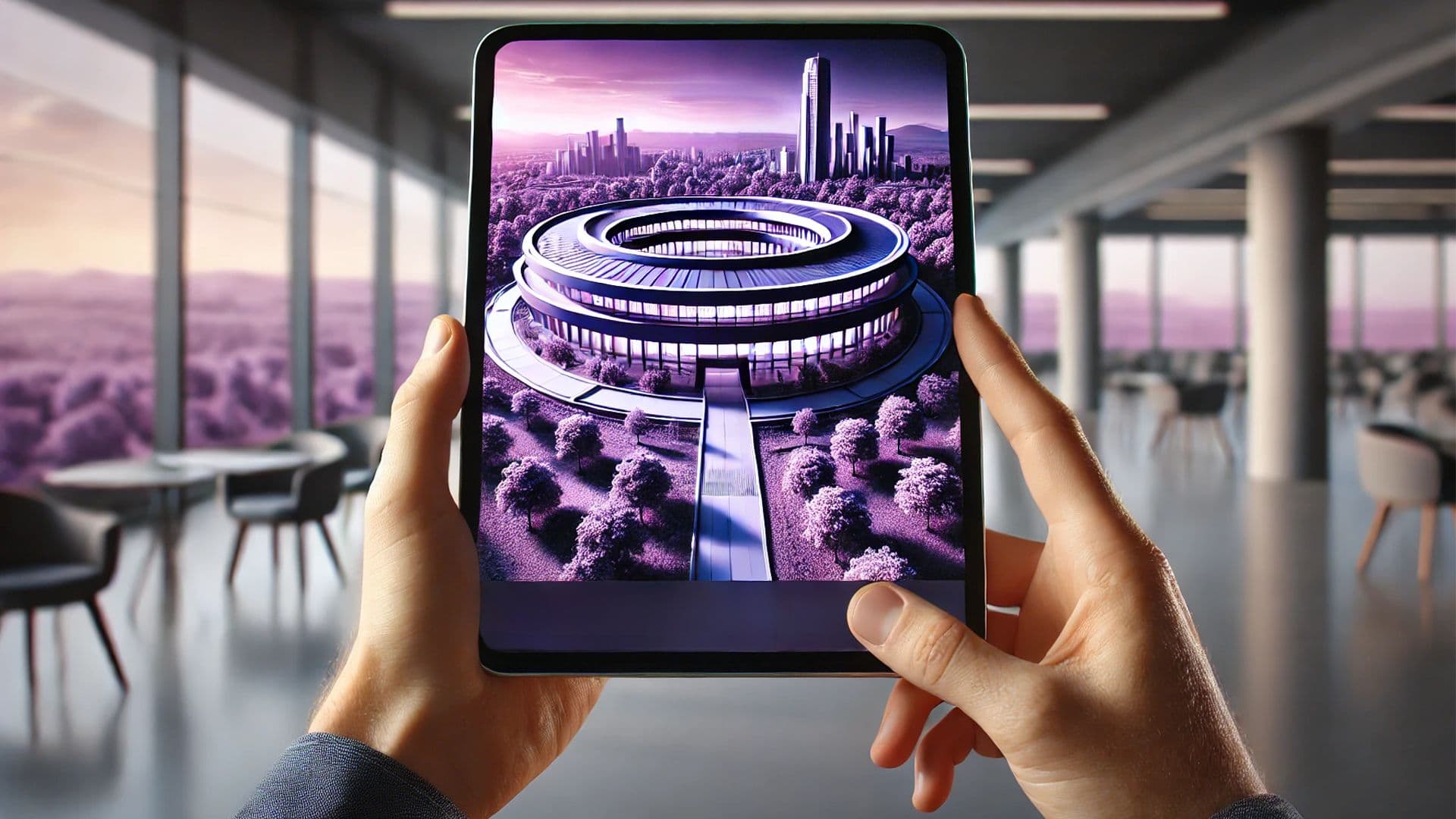
Bridging the Digital and Physical Worlds for Enhanced Experiences
Imagine walking through the bustling streets of Johannesburg, and as you glance at a historical building, detailed information about its architecture and history seamlessly overlays your view. This is not a scene from a futuristic novel but the reality crafted by Augmented Reality (AR). At Augmented-Reality.co.za, we explore how AR is revolutionizing industries, enhancing everyday life, and bridging the gap between the digital and physical realms. Dive into the multifaceted world of AR and discover how this technology is shaping our present and future.
Understanding Augmented Reality: Beyond the Hype
The Essence of Augmented Reality
Augmented Reality is the harmonious blend of digital information with the user's real-world environment in real-time. Unlike Virtual Reality (VR), which creates an entirely artificial environment, AR overlays digital elements—such as images, sounds, and data—onto the physical world. Picture a mechanic using AR glasses to view the internal components of an engine while repairing it, with step-by-step instructions projected right before their eyes. This fusion of virtual and physical enhances understanding and efficiency, making tasks more intuitive and interactive.
The Evolution of AR Technology
The journey of AR began with rudimentary heads-up displays in aircraft, providing pilots with critical flight information without diverting their gaze from the sky. Fast forward to today, and AR has permeated various aspects of our lives, from smartphone applications that translate signs in real-time to sophisticated industrial tools that aid in complex manufacturing processes. This evolution is akin to the transition from black-and-white to color television—each advancement adds depth and richness to the user experience, expanding the possibilities of what AR can achieve.
Key Components of Augmented Reality Systems
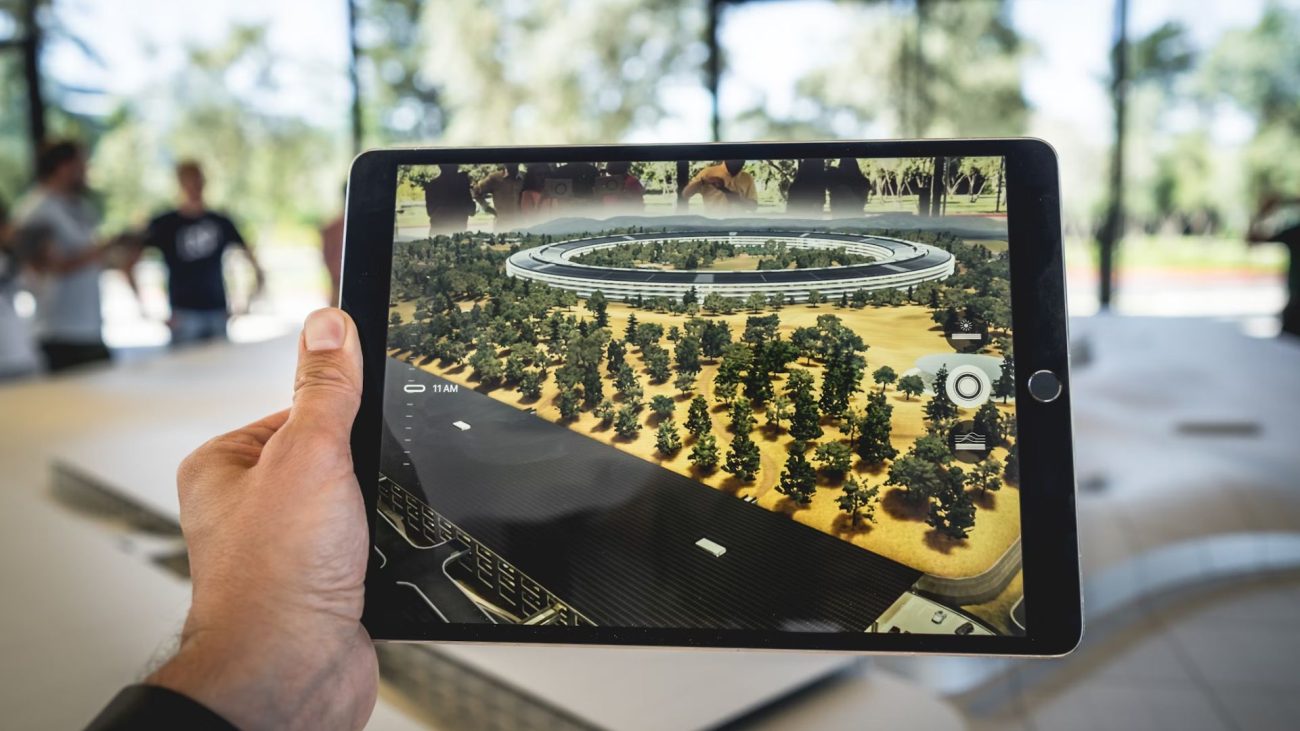
At the core of any AR system are several critical components: hardware, software, and user interfaces. Hardware includes devices like smartphones, tablets, AR glasses, and specialized headsets that capture and display augmented content. Software encompasses the applications and platforms that process data, recognize environments, and render digital overlays. User interfaces facilitate interaction, allowing users to manipulate and engage with augmented elements through gestures, voice commands, or traditional input methods. Understanding these components is essential to appreciating how AR operates and integrates seamlessly into our daily lives.
Applications of Augmented Reality: Transforming Industries
Healthcare: Revolutionizing Medical Practices
In the healthcare sector, AR is a game-changer, enhancing both patient care and medical training. Surgeons can use AR to visualize a patient’s anatomy in 3D during operations, overlaying critical information such as blood vessels and organs to improve precision and outcomes. Medical students benefit from interactive AR simulations that provide hands-on experience without the risks associated with real-life procedures. This technology not only elevates the quality of care but also accelerates the learning curve for future medical professionals, ensuring a healthier and more knowledgeable society.
Education: Creating Interactive Learning Environments
Education is another realm where AR is making significant strides. Traditional learning methods often rely on static textbooks and passive instruction, but AR transforms classrooms into dynamic, interactive environments. Imagine history lessons where students can walk through ancient civilizations or biology classes where they can dissect virtual specimens without the need for physical resources. These immersive experiences foster deeper understanding and engagement, making education more effective and enjoyable. AR also caters to diverse learning styles, ensuring that every student can benefit from personalized and interactive content.
Retail: Enhancing Customer Experience
The retail industry leverages AR to create unique and personalized shopping experiences. Virtual try-ons allow customers to see how clothes, accessories, or makeup look on them without physically trying them on. Furniture retailers offer AR apps that enable customers to visualize how a piece of furniture would fit and look in their own homes before making a purchase. This not only enhances customer satisfaction but also reduces return rates and increases sales. AR in retail is akin to having a personal shopper who provides instant feedback and visualization, making the shopping process more convenient and enjoyable.
Manufacturing and Maintenance: Increasing Efficiency and Accuracy
In manufacturing and maintenance, AR streamlines complex processes and reduces errors. Workers equipped with AR headsets receive real-time instructions and visual aids, guiding them through assembly procedures or maintenance tasks. This reduces the need for extensive training and minimizes the likelihood of mistakes, leading to higher productivity and quality. For instance, an electrician can use AR to identify wiring paths and troubleshoot issues without referring to cumbersome manuals. AR thus acts as a digital assistant, enhancing human capabilities and ensuring that tasks are performed with precision and efficiency.
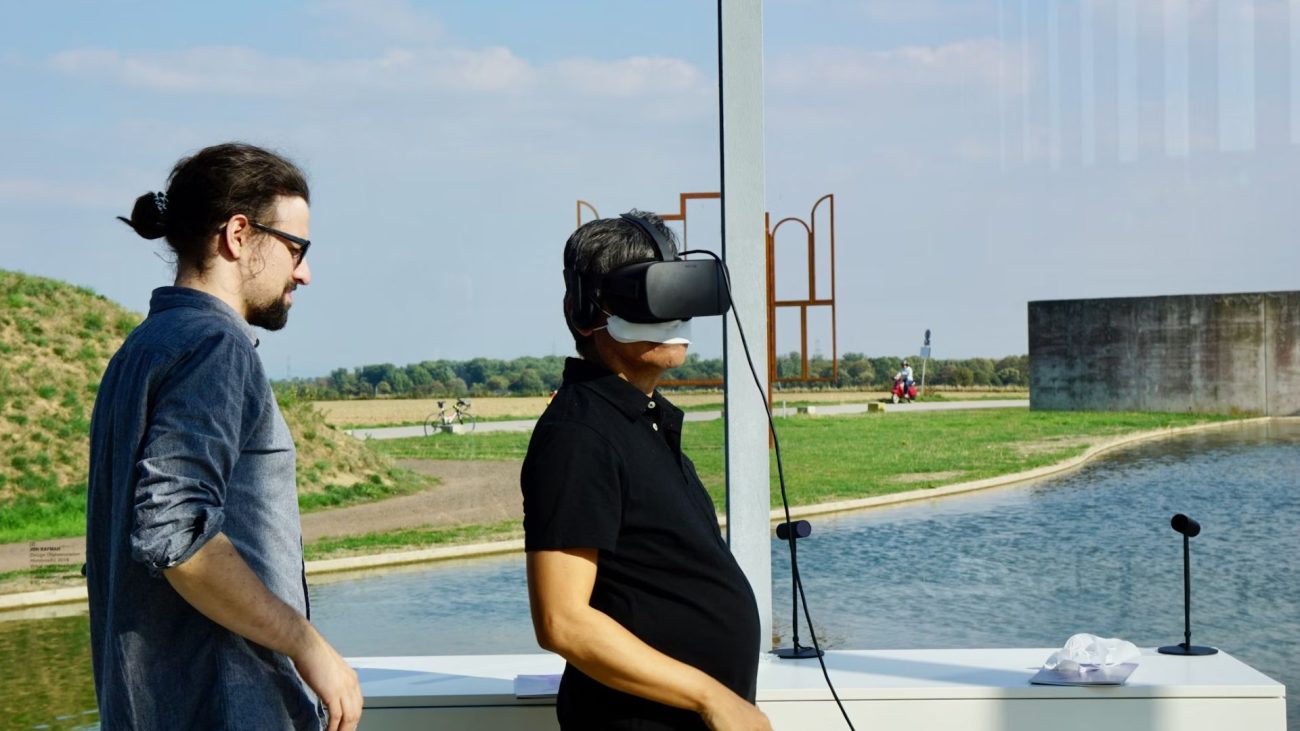
The Impact of Augmented Reality on Everyday Life
Enhancing Communication and Social Interaction
Augmented Reality is redefining how we communicate and interact socially. AR applications enable virtual meetings where participants appear as holograms in the same physical space, making remote collaborations feel more personal and engaging. Social media platforms incorporate AR filters and effects that allow users to express themselves creatively and interact with digital elements in real-time. This blending of digital and physical interactions fosters deeper connections and more meaningful communication, transcending geographical barriers and enhancing social experiences.
Enriching Entertainment and Gaming
The entertainment and gaming industries are among the earliest adopters of AR, creating immersive experiences that captivate audiences. AR games like Pokémon GO have demonstrated the potential of AR to engage users in active, real-world environments. Beyond gaming, AR is used in live events, concerts, and theme parks to provide interactive and personalized experiences. Imagine attending a concert where virtual visual effects respond to your movements or exploring a theme park with interactive digital attractions. AR enriches entertainment by adding layers of interactivity and immersion, making experiences more memorable and engaging.
Facilitating Navigation and Travel
Navigating unfamiliar places becomes more intuitive with AR-enhanced maps and guides. AR applications overlay directional arrows, points of interest, and real-time information onto the physical environment, guiding users through cities, airports, and tourist attractions with ease. Travelers can use AR to translate signs in real-time, learn about historical landmarks, or find the quickest routes to their destinations. This seamless integration of digital information into the physical world simplifies travel, making it more efficient and enjoyable.
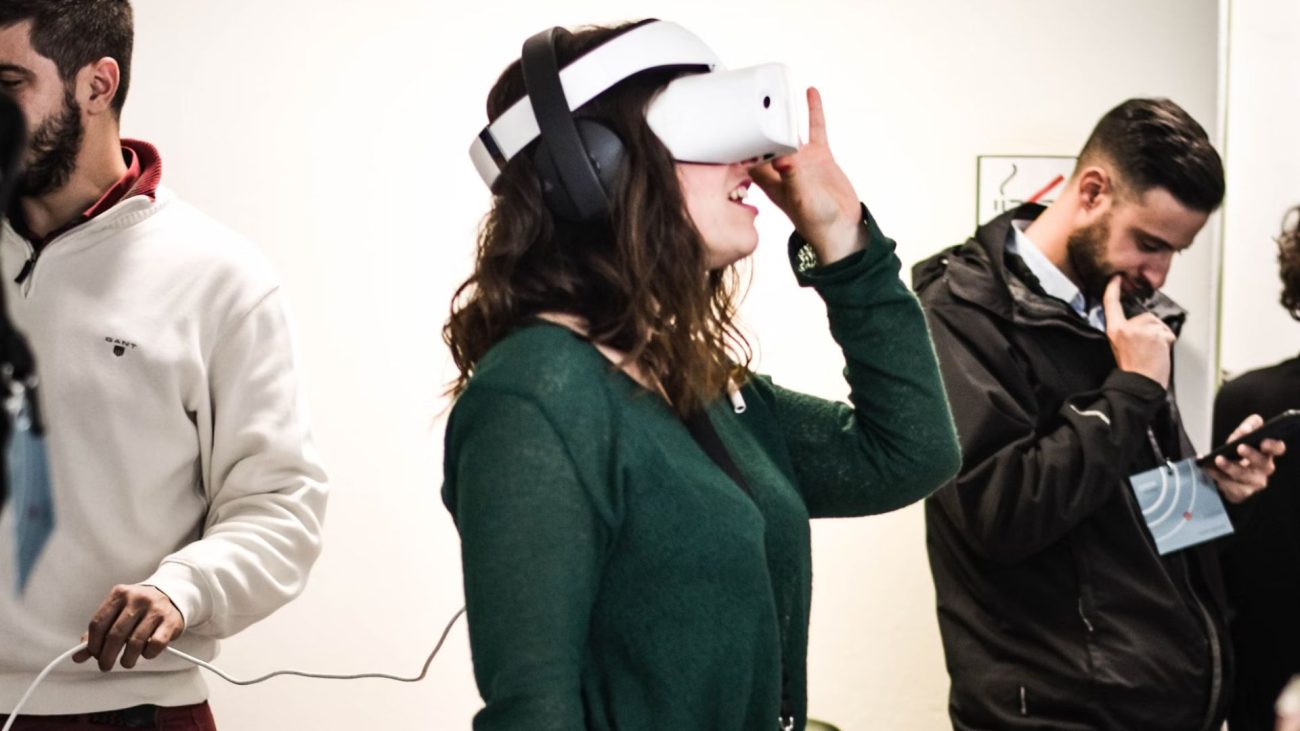
The Future of Augmented Reality: Innovations and Possibilities
Advancements in AR Hardware and Software
The future of Augmented Reality is poised for rapid advancements in both hardware and software. Next-generation AR glasses promise to be lighter, more stylish, and more powerful, offering enhanced visual fidelity and longer battery life. On the software front, improvements in artificial intelligence and machine learning will enable more sophisticated and responsive AR applications, capable of understanding and interacting with the environment in more nuanced ways. These advancements will make AR more accessible and integrated into various aspects of life, from professional settings to personal use.
Integration with Other Emerging Technologies
Augmented Reality will increasingly integrate with other emerging technologies, such as the Internet of Things (IoT), 5G, and blockchain. IoT devices will provide real-time data that AR applications can use to offer contextual and personalized experiences. The high speeds and low latency of 5G networks will enable more seamless and interactive AR experiences, supporting real-time collaboration and high-definition content streaming. Blockchain technology can enhance the security and ownership of digital assets within AR environments, fostering trust and innovation in virtual marketplaces and digital interactions.
Ethical and Societal Considerations
As AR becomes more pervasive, ethical and societal considerations will come to the forefront. Issues such as privacy, data security, and the digital divide will need to be addressed to ensure that AR benefits all segments of society without exacerbating existing inequalities. Additionally, the impact of AR on mental health and social behavior will require thoughtful consideration and proactive measures to promote responsible use. Balancing innovation with ethical considerations will be crucial in shaping a future where AR enhances human experiences without compromising fundamental values.
Frequently Asked Questions
What is Augmented Reality and how does it differ from Virtual Reality?
Augmented Reality (AR) overlays digital information onto the real world, enhancing the user's perception of their environment. Unlike Virtual Reality (VR), which creates an entirely artificial environment, AR integrates virtual elements with the physical world, allowing users to interact with both simultaneously.
What are the key industries benefiting from Augmented Reality?
Key industries benefiting from AR include healthcare, education, retail, manufacturing, entertainment, and gaming. Each sector leverages AR to enhance productivity, improve customer experiences, and create immersive learning and entertainment environments.
How can businesses implement Augmented Reality in their operations?
Businesses can implement AR by identifying areas where digital overlays can enhance processes or customer interactions. This can include developing AR applications for product visualization, training and simulation, remote assistance, and interactive marketing campaigns. Partnering with AR development firms or utilizing AR platforms can facilitate this integration.
What are the main challenges facing the adoption of Augmented Reality?
Main challenges include high development costs, the need for specialized hardware, limited content availability, and user accessibility issues. Additionally, concerns about privacy, data security, and the potential for digital fatigue must be addressed to ensure widespread and responsible adoption of AR technologies.
What is the future potential of Augmented Reality?
The future potential of AR is vast, with possibilities ranging from fully integrated smart environments and advanced remote collaboration tools to personalized education and healthcare applications. As technology continues to evolve, AR will become more seamless, intuitive, and ubiquitous, fundamentally transforming how we interact with the world around us.