
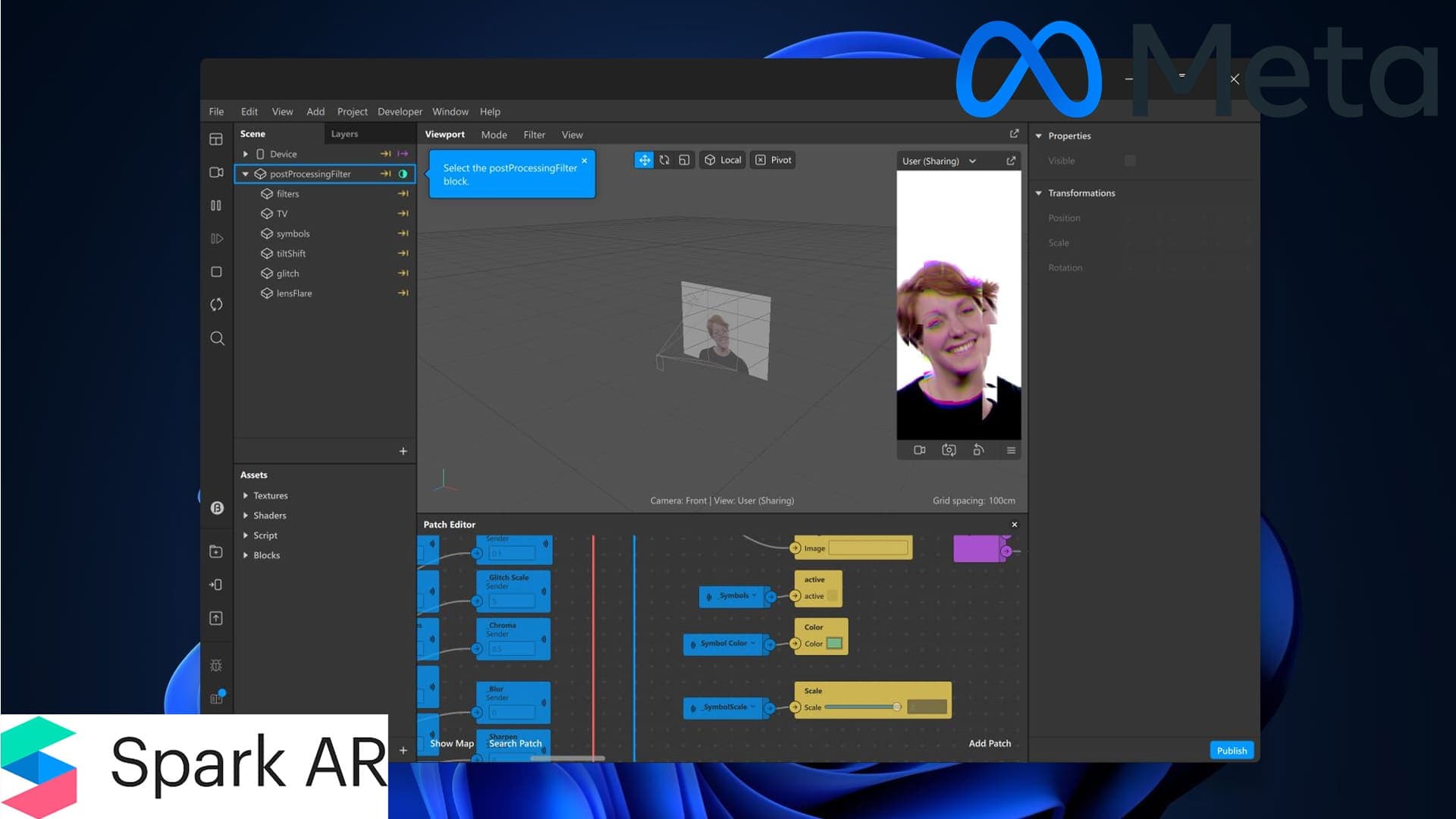
Meta Platforms, known for its relentless innovation in the tech world, has made a significant decision that’s sending ripples across the augmented reality (AR) community. As of January 14, 2025, Meta will officially shut down its Spark AR Studio, a platform that has empowered third-party creators to design and deploy custom AR effects on Facebook and Instagram.
This move, while surprising to many, is part of a broader strategic shift within Meta, as the company refocuses its resources towards emerging technologies like Artificial Intelligence (AI) and the metaverse.
Why Meta is Shutting Down Spark AR Studio
Meta’s decision to close Spark AR Studio is rooted in a larger vision to realign its priorities toward areas it sees as more critical to its future growth. According to official statements, the resources and investments previously channeled into Spark AR will now be redirected to projects that promise to shape the next generation of digital interaction, particularly AI and advanced augmented reality initiatives like smart glasses.
This transition is reflective of Meta's ongoing strategy to streamline its operations and focus on what it deems the most promising technological frontiers. By shifting away from AR effects created by third parties, Meta aims to harness its technological prowess to lead in AI and immersive virtual experiences.
Impact on the AR Community
The closure of Spark AR Studio has undoubtedly caused frustration among the community of AR creators who have used the platform extensively since its launch. Many creators have expressed disappointment, citing the significant impact this shutdown will have on their work and creative output. With Spark AR Studio gone, creators are being forced to explore alternative platforms such as Snapchat’s Lens Studio or Unity, both of which offer similar AR creation tools.
Furthermore, the decision to discontinue the platform comes at a time when AR is gaining traction in various industries, making it a challenging pivot for those who have heavily invested in the Spark ecosystem.
Meta’s Future in AI and the Metaverse
Despite the backlash from the AR community, Meta remains steadfast in its decision, seeing AI and the metaverse as the next big leap in digital technology. The company is doubling down on its AI initiatives, which include advanced language models and AI-driven content creation tools, as well as its vision for the metaverse—a fully immersive digital world where social, economic, and cultural activities can take place in a virtual environment.
In addition to AI, Meta’s focus on wearable tech, such as AR glasses, signals its commitment to creating new forms of interaction between humans and technology. These investments indicate Meta’s belief that the future of computing lies beyond traditional screens, potentially transforming how users engage with digital content.
A Strategic, Yet Controversial, Move
Meta’s decision to shut down Spark AR Studio is a clear indicator of its evolving priorities. While this move has upset many creators who have relied on the platform, it underscores Meta's broader ambition to lead the future of digital innovation through AI and the metaverse.
As the tech giant redirects its focus, the coming years will reveal whether this gamble pays off, both for Meta and the broader tech ecosystem. Meanwhile, AR creators will need to adapt to this shift, finding new platforms and avenues to express their creativity.