
Pioneering the Next Generation of AR Technology Ahead of CES 2025
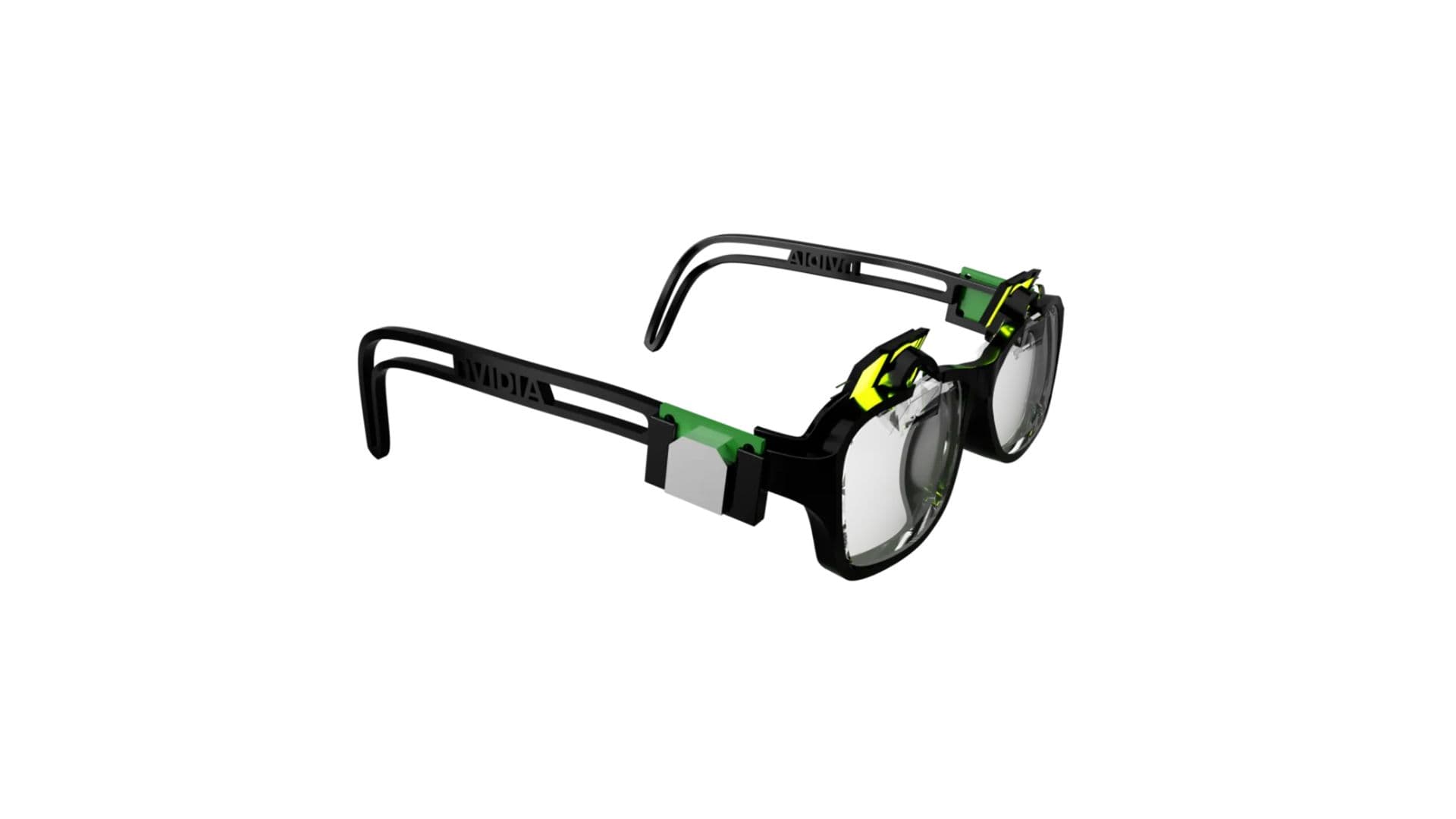
As Augmented Reality (AR) continues to redefine the way we interact with the digital and physical worlds, industry leaders are racing to innovate and secure their positions in this rapidly evolving landscape. In a significant development ahead of CES 2025, NVIDIA has been granted a groundbreaking patent for AR glasses titled “Backlight-Free Augmented Reality Digital Holographic Technology.” This advancement promises to address longstanding challenges in AR eyewear, setting the stage for more immersive, lightweight, and energy-efficient devices.
Breaking Down NVIDIA’s Latest Patent
Innovative Approach to AR Display Technology
NVIDIA’s newly patented technology marks a pivotal shift in AR glasses design by eliminating the need for traditional backlight systems. Instead, the patent introduces a sophisticated method that leverages digital holographic technology combined with ambient light interference technology, also known as self-interference holography. This approach utilizes phase-adjustable spatial light modulators (SLM) to interact with ambient light, effectively blocking unwanted incident light and enabling selective shading.
Enhanced Display Quality Without the Bulk
One of the critical challenges in AR glasses development has been balancing display quality with device weight and bulkiness. NVIDIA’s patent addresses this by allowing for clearer and more natural presentation of virtual images without relying on external light sources. The result is a more transparent and lightweight AR device that maintains high display quality, making it a significant improvement over existing models that often suffer from reduced clarity or increased weight due to bulky display components.
Advantages of NVIDIA’s AR Glasses Technology
Lightweight and Comfortable Design
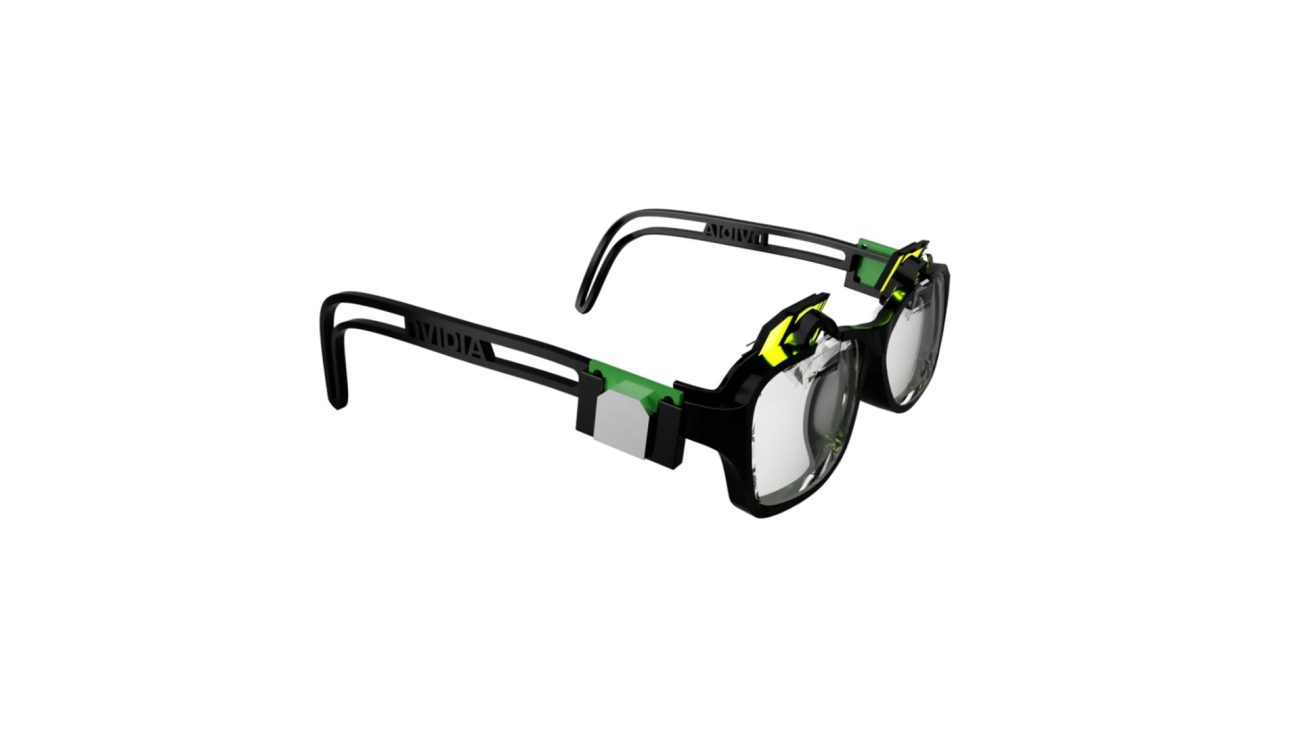
The patent envisions AR glasses that resemble ordinary eyeglasses in appearance and weigh approximately the same as Meta’s Ray-Ban smart glasses. By eliminating the need for bulky backlights, NVIDIA’s technology significantly reduces the overall weight of the AR glasses. This reduction not only enhances comfort for prolonged use but also makes the glasses more appealing to a broader audience, including those who may have found previous models too cumbersome.
Improved Power Efficiency
Another notable advantage of NVIDIA’s patented technology is its impact on power consumption. Traditional backlight systems consume a considerable amount of energy, contributing to shorter battery life and the need for frequent recharging. By moving away from these systems, NVIDIA’s AR glasses can achieve greater energy efficiency, allowing for longer usage times and reducing the environmental impact associated with frequent charging cycles.
Superior Visual Experience
The integration of digital holographic technology and ambient light interference ensures that virtual images are rendered with exceptional clarity and naturalness. This enhanced visual experience is crucial for applications that rely on precise and realistic overlays, such as professional design, medical training, and immersive gaming. Users can expect a more seamless blending of virtual and real-world elements, enhancing both functionality and user satisfaction.
Comparing NVIDIA’s Vision with Current AR Glasses
Meta’s Ray-Ban Smart Glasses
Meta’s Ray-Ban smart glasses, weighing around 100 grams, have set a benchmark for lightweight and stylish AR eyewear. However, they still rely on traditional display technologies that can limit display quality and battery life. NVIDIA’s patent aims to surpass these limitations by offering a more efficient and clearer display system without adding to the device’s weight.
Other Competitors in the AR Space
While several companies are vying to dominate the AR glasses market, NVIDIA’s focus on reducing bulkiness and enhancing display quality through innovative holographic technology sets it apart. Competitors like Microsoft with their HoloLens and Google with their Glass Enterprise Edition have made significant strides but often face challenges related to device weight, power consumption, and display clarity. NVIDIA’s approach offers a promising solution that addresses these common pain points, potentially giving them a competitive edge in the market.
Potential Impact on the AR Market
Driving Innovation and Standards
NVIDIA’s patent is poised to influence the future design and functionality of AR glasses across the industry. By introducing a new method of display technology that emphasizes lightweight design and energy efficiency, NVIDIA sets new standards that other manufacturers may adopt. This can lead to a wave of innovation, pushing the entire AR market towards more user-friendly and sustainable solutions.
Expanding AR Applications
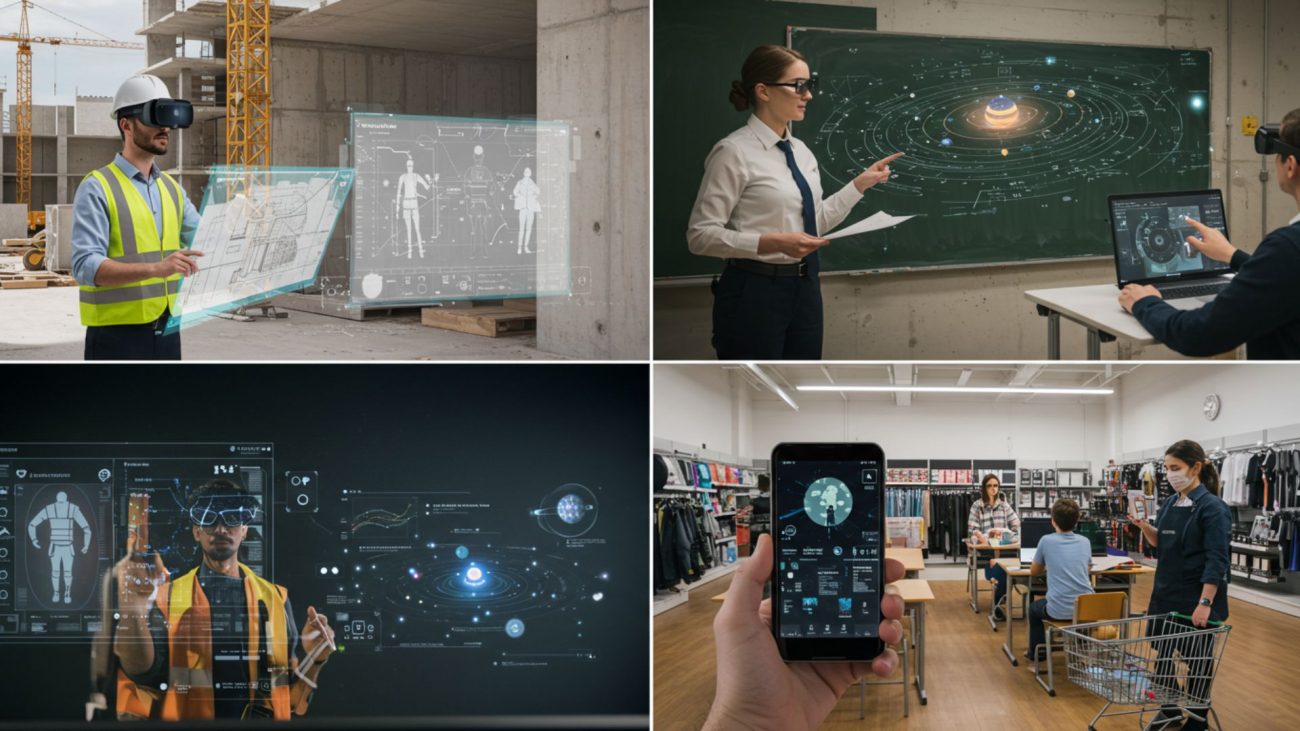
With improved display quality and reduced device weight, NVIDIA’s AR glasses can cater to a wider range of applications. From enhancing remote work and virtual collaboration to providing immersive experiences in education, healthcare, and entertainment, the potential uses of these advanced AR glasses are vast. Businesses and developers can leverage this technology to create more engaging and effective AR applications, further embedding AR into everyday life.
Jensen Huang’s Endorsement and Vision
NVIDIA’s Commitment to AR Innovation
NVIDIA’s CEO, Jensen Huang, has been a vocal advocate for the transformative potential of AR technology. His recent appearance at Meta’s product launch event, where he praised Meta’s AR glasses “Orion” for their lightweight design, underscores NVIDIA’s dedication to pioneering advancements in AR. Huang’s endorsement highlights the importance of comfort and practicality in the widespread adoption of AR glasses, aligning with the goals outlined in NVIDIA’s latest patent.
Shaping the Future of Wearable Technology
Huang envisions a future where AR glasses become as commonplace as traditional eyewear, seamlessly integrating digital information into our daily lives. By focusing on reducing device weight and enhancing display quality, NVIDIA aims to make AR technology more accessible and appealing to the general public. This vision not only promotes the practical use of AR but also encourages the development of stylish and comfortable wearable devices.

Current Status and Future Prospects
Research and Development Focus
As of now, NVIDIA has not introduced specific AR glasses products based on their new patent. Their primary focus remains on technological research and the development of patents that can serve as foundational elements for future AR devices. This strategic approach allows NVIDIA to refine their technology and collaborate with other industry players to bring their vision to life.
Market Readiness and Launch Expectations
With global AR device shipments projected to reach 25.5 million units by 2030, driven by advancements in AI technology and expanding application ecosystems, NVIDIA’s patented technology is well-positioned to meet the growing demand. As the industry moves towards more sustainable and user-friendly AR solutions, NVIDIA’s innovations are expected to play a crucial role in shaping the next generation of AR glasses.
Industry Projections and Market Growth
Rapid Expansion of AR Devices
According to TrendForce, global AR device shipments are expected to grow at a compound annual growth rate (CAGR) of 67% from 2023 to 2030, reaching 25.5 million units by 2030. This explosive growth is fueled by continuous product planning by AR brands, advancements in AI technology, and the development of robust application ecosystems. NVIDIA’s patented technology aligns with these trends, offering a scalable and efficient solution that can support the increasing demand for high-quality AR devices.
Integration with AI and Ecosystem Development
The integration of AI technology with AR devices is a significant driver of market growth. AI enhances the functionality and user experience of AR glasses by enabling features like real-time language translation, gesture recognition, and personalized content delivery. NVIDIA’s advancements in holographic technology complement these AI-driven capabilities, creating a more cohesive and intelligent AR ecosystem. As AI continues to evolve, the synergy between AI and AR technologies will further propel the adoption and effectiveness of AR glasses in various industries.
Frequently Asked Questions
What is the significance of NVIDIA’s “Backlight-Free Augmented Reality Digital Holographic Technology” patent?
NVIDIA’s patented technology represents a major advancement in AR display systems by eliminating the need for traditional backlight components. This innovation allows for lighter, more energy-efficient AR glasses with enhanced display clarity, addressing key challenges in the current AR eyewear market.
How does self-interference holography work in NVIDIA’s AR glasses?
Self-interference holography involves using phase-adjustable spatial light modulators (SLM) to create interference patterns with ambient light. This selective shading technique blocks unwanted light without relying on external backlights, enabling clearer and more natural virtual image projections in AR glasses.
What are the potential benefits of NVIDIA’s AR glasses technology for users?
Users can expect AR glasses that are lightweight and comfortable, with longer battery life and superior display quality. The technology also supports a more immersive and seamless AR experience, making it suitable for a wide range of applications from professional use to everyday activities.
How do NVIDIA’s AR glasses compare to existing models like Meta’s Ray-Ban smart glasses?
NVIDIA’s AR glasses are designed to be as lightweight as Meta’s Ray-Ban smart glasses but offer improved display quality and energy efficiency through innovative holographic technology. This makes them a promising alternative for users seeking high-performance AR eyewear without the added bulk.
When can we expect NVIDIA to release their AR glasses based on this patent?
As of now, NVIDIA has not announced specific plans for releasing AR glasses based on their new patent. The company is currently focused on further research and development, with potential collaborations and product launches expected in the near future as the technology matures.
What impact could NVIDIA’s patent have on the future of AR technology?
NVIDIA’s patent could set new standards for AR display technology, encouraging other manufacturers to adopt similar innovations. This could lead to a broader shift towards more lightweight, efficient, and high-quality AR glasses, accelerating the adoption and integration of AR into various aspects of daily life and professional settings.
How does reducing the weight of AR glasses enhance user experience?
Reducing the weight of AR glasses enhances user comfort, allowing for prolonged use without causing strain or fatigue. Lightweight glasses are also more discreet and easier to wear with prescription lenses, making them more appealing to a wider audience.
What role does AI play in the development of NVIDIA’s AR glasses?
AI plays a crucial role in enhancing the functionality and user experience of AR glasses. It enables features like real-time gesture recognition, personalized content delivery, and intelligent interaction with digital overlays, making the AR experience more intuitive and responsive.
Are there any environmental benefits associated with NVIDIA’s AR glasses
NVIDIA’s AR glasses, through their energy-efficient design and reduced reliance on power-intensive backlight systems, contribute to lower overall energy consumption. This not only extends the battery life of the devices but also aligns with broader environmental sustainability goals by minimizing the carbon footprint associated with prolonged device usage and frequent charging.
How might NVIDIA’s AR glasses influence other industries beyond consumer electronics?
NVIDIA’s advanced AR glasses technology has the potential to revolutionize various industries beyond consumer electronics, including healthcare, education, manufacturing, and entertainment. In healthcare, AR glasses can assist surgeons with real-time data overlays during procedures, enhancing precision and outcomes. In education, they can provide immersive learning experiences, allowing students to interact with 3D models and virtual environments. Manufacturing can benefit from AR glasses through improved workflow visualization and remote assistance, while the entertainment industry can create more engaging and interactive content for games and virtual experiences.
What are the key challenges NVIDIA might face in bringing their patented AR glasses to market?
Key challenges include ensuring mass production scalability, maintaining affordability without compromising on quality, integrating the technology seamlessly into a user-friendly design, and establishing a robust ecosystem of applications and content. Additionally, competition from established AR manufacturers and the need for widespread consumer adoption are significant hurdles that NVIDIA will need to navigate effectively.
How does the phase-adjustable spatial light modulator (SLM) enhance the functionality of NVIDIA’s AR glasses?
The phase-adjustable SLM allows for precise control over the interference patterns created with ambient light. This enables selective shading and clearer image projection without the need for bulky backlight systems. The enhanced control over light interaction results in more accurate and vivid virtual image displays, improving the overall AR experience.
What future developments can we anticipate from NVIDIA in the AR space?
Future developments may include the commercialization of their patented AR glasses technology, further advancements in holographic displays, enhanced integration with AI-driven applications, and collaborations with other tech companies to expand the functionality and accessibility of their AR solutions. Additionally, ongoing research may lead to further refinements in display technology, energy efficiency, and user interface design, solidifying NVIDIA’s position as a leader in the AR industry.
How does the new AR glasses patent align with NVIDIA’s broader technological vision?
The new AR glasses patent aligns with NVIDIA’s broader vision of integrating advanced technologies such as AI, machine learning, and holographic displays to create innovative solutions that enhance human-computer interaction. By focusing on lightweight and energy-efficient designs, NVIDIA demonstrates its commitment to making cutting-edge technology accessible and practical for everyday use.
Can developers create custom applications for NVIDIA’s AR glasses based on this patent?
While specific details are yet to be disclosed, NVIDIA’s patented technology is likely to support a wide range of custom applications. By providing a robust and flexible platform for AR development, NVIDIA can encourage developers to create diverse and innovative applications that leverage the enhanced display quality and energy efficiency of their AR glasses, fostering a vibrant ecosystem of AR experiences.
How does NVIDIA plan to collaborate with other companies or developers to advance AR technology?
NVIDIA may seek partnerships with hardware manufacturers, software developers, and content creators to accelerate the adoption and integration of their AR technology. Collaborative efforts can include joint research initiatives, co-development of applications, and creating standardized protocols that ensure compatibility and interoperability across different platforms and devices.
What distinguishes NVIDIA’s AR glasses technology from traditional AR display systems?
NVIDIA’s technology distinguishes itself by eliminating the need for backlight systems, utilizing digital holographic and ambient light interference technologies to achieve clearer and more natural image projections. This approach not only reduces the device’s weight and power consumption but also enhances the overall visual quality, offering a more immersive and comfortable AR experience compared to traditional display systems.
How important is patent protection in the competitive AR industry?
Patent protection is crucial in the competitive AR industry as it safeguards innovative technologies and provides a competitive advantage. By securing patents for their unique technologies, companies like NVIDIA can prevent competitors from copying their innovations, thereby maintaining their leadership position and fostering continued investment in research and development.
What are the potential societal impacts of widespread adoption of NVIDIA’s AR glasses?
Widespread adoption of NVIDIA’s AR glasses could have profound societal impacts, including enhanced accessibility to information, improved productivity in professional settings, enriched educational experiences, and new forms of entertainment and social interaction. Additionally, as AR technology becomes more integrated into daily life, it could transform how people communicate, learn, and engage with their environments, leading to a more interconnected and informed society.
How does the development of AR glasses contribute to the advancement of mixed reality (MR) technologies?
The development of AR glasses is a significant contributor to the advancement of mixed reality (MR) technologies by providing the hardware foundation necessary for blending digital and physical worlds. NVIDIA’s innovations in holographic displays and energy-efficient designs enhance the capabilities of MR devices, enabling more seamless and realistic interactions between users and virtual content. This progress supports the broader evolution of MR, facilitating its integration into various industries and everyday applications.