
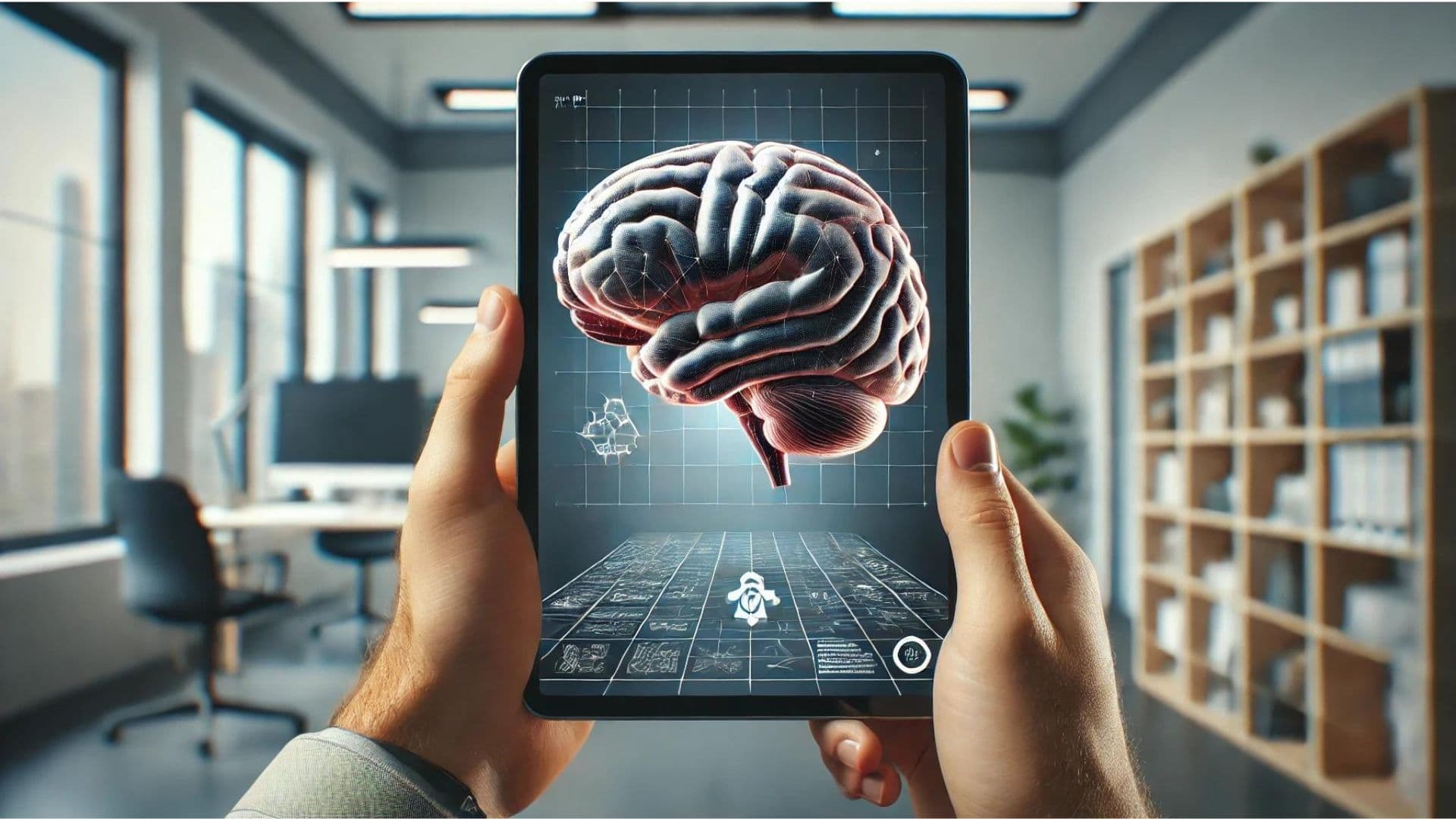
The evolution of education has consistently embraced technological advancements, each contributing to a significant shift in how knowledge is delivered and accessed. From the blackboard era to the rise of personal computers, these innovations have continually redefined educational methodologies. Today, we are on the cusp of a new educational revolution with Augmented Reality (AR).
The Future of Education
AR integrates digital information with the physical world, crafting a dynamic and immersive learning environment. This technology offers transformative potential for education, particularly in South Africa, where AR is gaining traction in schools and universities. By overlaying interactive digital elements onto real-world contexts, AR enhances engagement and understanding, paving the way for a more enriched and accessible educational experience.
Understanding Augmented Reality in Education
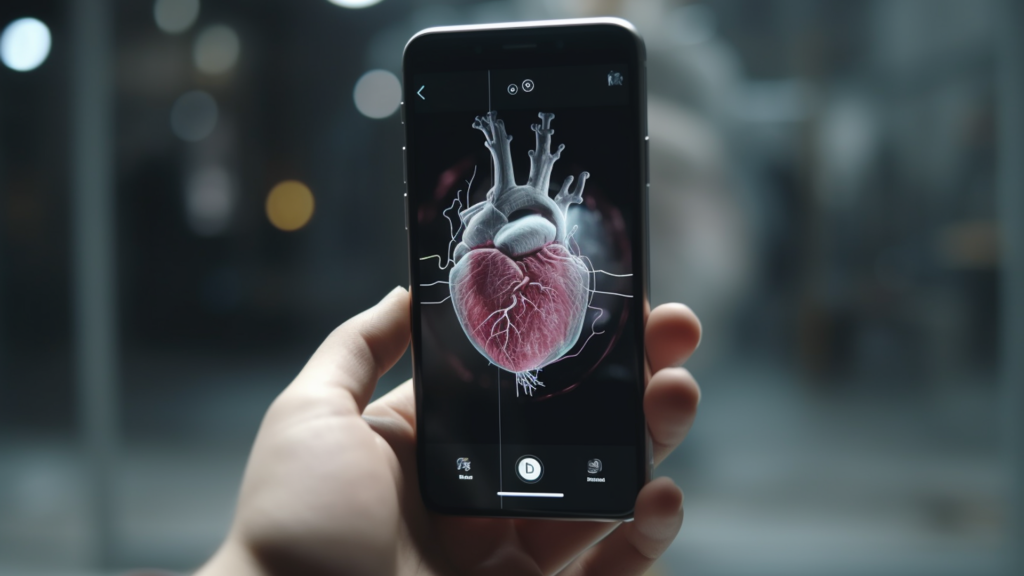
Augmented Reality integrates digital content with the physical world through devices like smartphones, tablets, and AR glasses. By superimposing images, videos, and sounds onto real-world environments, AR enhances the learning experience by making it more interactive and engaging. Unlike Virtual Reality (VR), which creates a completely immersive virtual environment, AR blends the digital and physical worlds, allowing students to interact with both simultaneously. Traditional e-learning relies on static content and passive consumption, whereas AR provides dynamic, interactive experiences that can adapt to the learner's actions and surroundings.

Benefits of AR in the Classroom
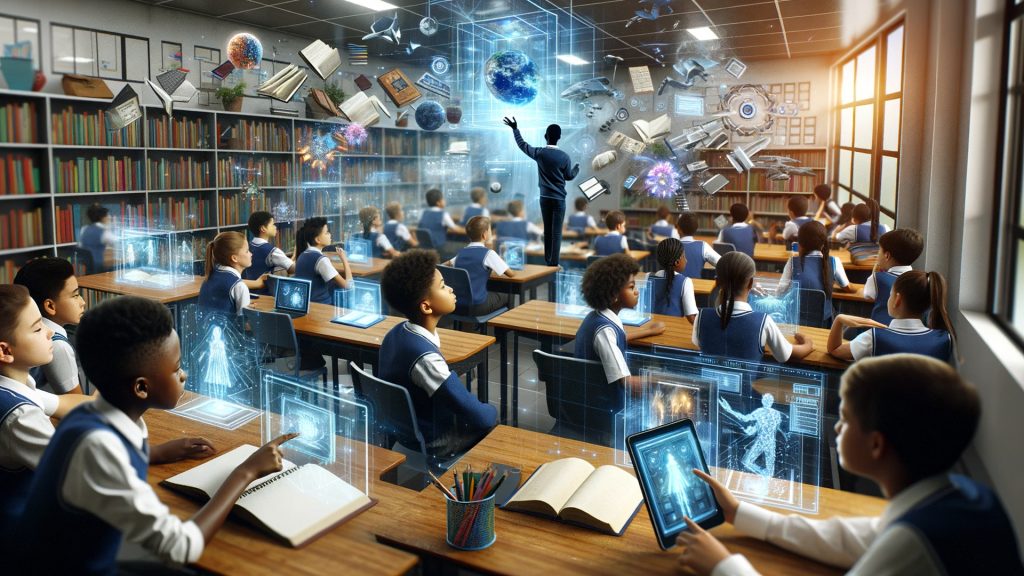
One of the foremost benefits of AR in education is its capacity to captivate and motivate students. By offering interactive and immersive experiences, AR transforms traditional learning into an engaging adventure. For example, AR can vividly recreate historical events, enabling students to virtually visit ancient civilizations and witness history firsthand. This immersive approach not only makes learning more enjoyable but also deepens understanding and improves retention of complex topics. As students interact with dynamic, three-dimensional content, they are more likely to remain engaged and absorb information effectively, making AR a powerful tool for modern education.
AR also enables personalized learning experiences. Each student has unique learning needs and preferences, and AR can cater to these individual requirements. By offering tailored content and interactive exercises, AR helps students learn at their own pace, ensuring that no one is left behind. Additionally, AR can provide immediate feedback, allowing students to understand their mistakes and correct them in real-time.
Real-World Applications of AR in South African Education
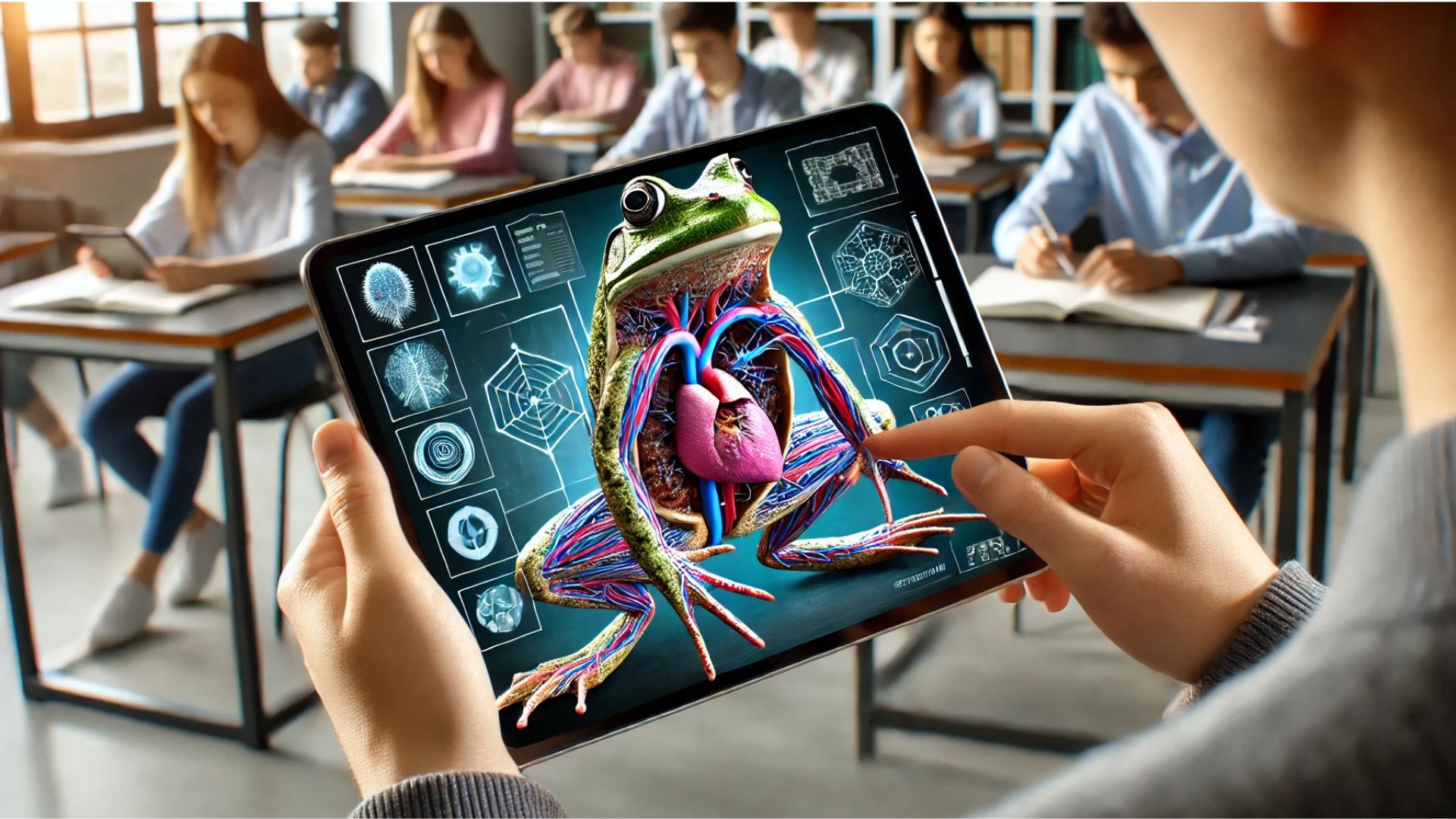
Several schools and universities in South Africa are already harnessing the power of AR to enrich their curricula with impressive results. For instance, a high school in Johannesburg has incorporated AR into its biology lessons, allowing students to interact with 3D models of the human body and grasp intricate anatomical details. Meanwhile, a university in Cape Town is utilizing AR in history classes, providing students with visualizations of historical events that deepen their comprehension of the past. These examples highlight AR's effectiveness in creating immersive educational experiences and enhancing the learning process across various subjects.
These real-world applications demonstrate the versatility of AR across various subjects. In geography, students can use AR to explore different ecosystems and geological formations. In science, AR can simulate laboratory experiments, providing a safe and controlled environment for students to conduct experiments. Testimonials from educators and students highlight the positive impact of AR on learning outcomes, with many noting increased engagement and improved academic performance.
Challenges and Solutions
Despite its transformative potential, integrating AR into education presents several challenges. A primary obstacle is the cost of AR devices and software, which can be prohibitively expensive for many schools, especially those in underprivileged areas. Moreover, the technical expertise needed to effectively set up and maintain AR systems poses another significant barrier. Schools may need to invest in training and support to fully leverage this technology, further complicating its adoption in resource-constrained environments.
However, there are potential solutions to these challenges. Government and private sector initiatives can provide funding and resources to schools in need. Training programs can equip teachers with the necessary skills to integrate AR into their teaching methods effectively. Moreover, partnerships with tech companies can help schools access AR devices and software at a reduced cost.
The Future of AR in South African Education
The future of AR in South African education holds significant promise. As technology evolves, AR devices are anticipated to become more affordable and accessible, broadening their reach. Advancements in AR, including enhanced graphics and user-friendly interfaces, will further enrich the educational experience. Over time, AR has the potential to revolutionize the educational landscape in South Africa, offering a more interactive, engaging, and inclusive approach to learning. This technological shift could pave the way for innovative educational practices, bridging gaps and creating new opportunities for students across the country.
Augmented Reality holds transformative potential for education, offering interactive and immersive learning experiences that can significantly enhance student engagement and comprehension. For South Africa, investing in AR technology can help bridge educational gaps and provide students with the tools they need to succeed in the modern world. Educators, policymakers, and technology developers must collaborate to integrate AR into the education system, ensuring that every student has the opportunity to benefit from this innovative technology.
To further explore the potential of AR in education, interviews with AR experts and educators can provide valuable insights. Educators can also benefit from a list of AR educational apps and resources available in South Africa, along with practical tips on how to integrate AR into their teaching methods effectively. By embracing AR, we can create a dynamic and engaging learning environment that prepares students for the future.