
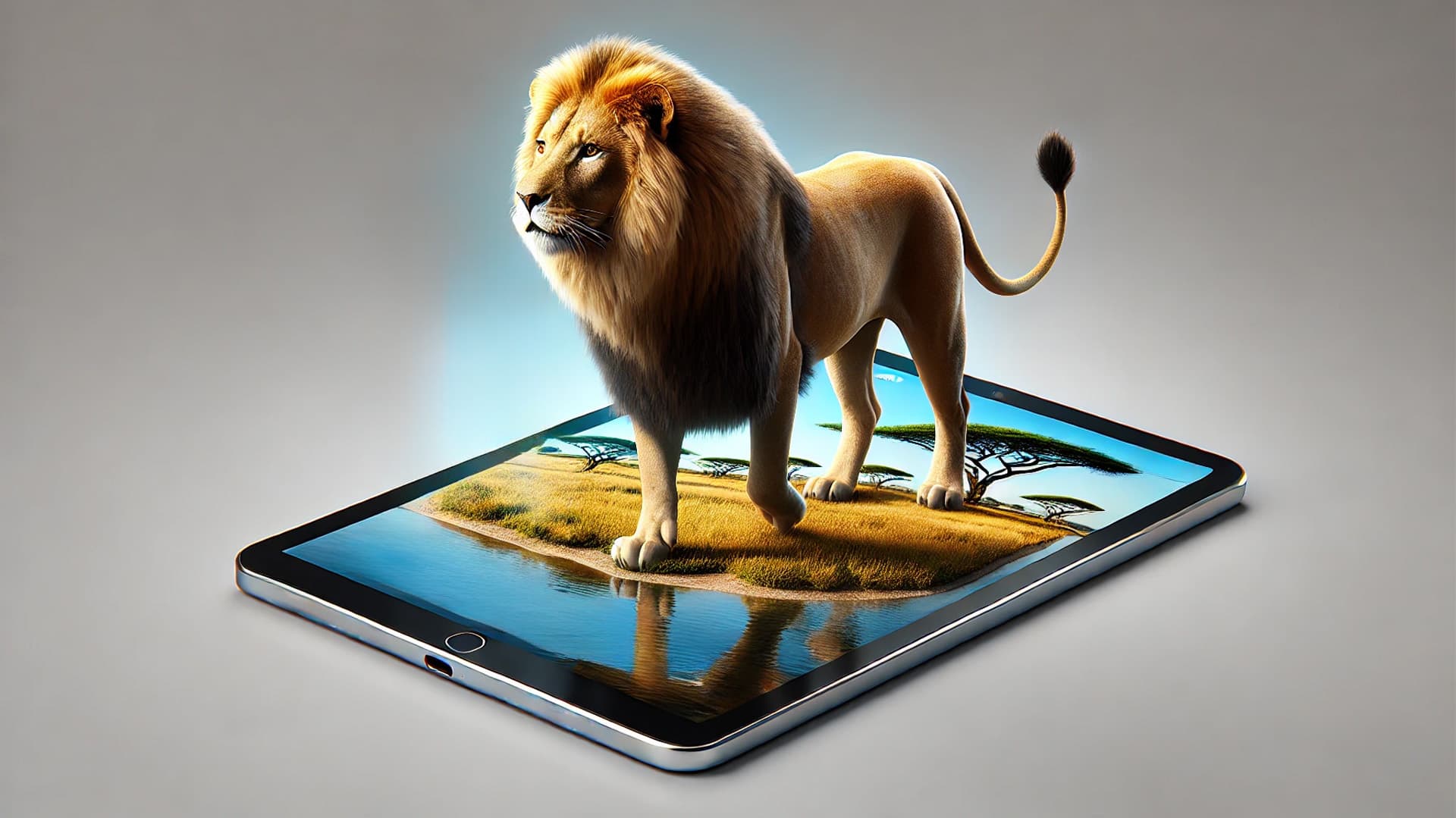
Augmented Reality (AR) technology is rapidly evolving, becoming a major driving force in various industries worldwide. In South Africa, AR is gradually gaining momentum, bringing a revolutionary approach to how businesses engage with customers, enhance experiences, and streamline operations. With its ability to blend the virtual world with physical environments, AR technology has opened doors to a wealth of possibilities, creating immersive experiences that were once only possible in science fiction.
As South Africa continues to embrace digital transformation, the use of AR in areas such as marketing, education, real estate, and even tourism is making significant strides. This blog explores the growing influence of AR in South Africa, the industries it is impacting, and the immense potential it holds for the future.
What is Augmented Reality?
At its core, Augmented Reality (AR) overlays digital content—such as images, sounds, and other sensory enhancements—onto the real world. Unlike Virtual Reality (VR), which immerses users entirely in a digital environment, AR enhances the physical world by superimposing digital elements in real-time. This allows users to interact with both real and virtual elements simultaneously.
In South Africa, AR technology has grown beyond its initial applications in entertainment and gaming. It is now being used to solve complex business challenges, enrich customer experiences, and provide new tools for training and education.
The Role of Augmented Reality in South African Business
One of the most compelling aspects of AR technology is its versatility. Companies across South Africa are discovering how AR can create more interactive, memorable, and engaging customer experiences. From retail and real estate to manufacturing and healthcare, AR is being integrated into various sectors to improve efficiency, engagement, and innovation.
Retail Transformation Through AR
Retail businesses in South Africa are leveraging AR to offer customers immersive shopping experiences. For example, clothing and home decor stores have adopted AR apps that allow shoppers to virtually try on outfits or visualize furniture in their own living spaces before making a purchase. This not only enhances the customer’s decision-making process but also creates a sense of excitement and novelty.
Brands that embrace AR can better connect with their audiences by providing an interactive and personalized shopping experience. Moreover, AR reduces the likelihood of product returns, as customers have a clearer understanding of what they are purchasing.
Real Estate and Architecture
In real estate, AR has the potential to completely change the way properties are marketed and sold in South Africa. Traditionally, potential buyers would have to visit properties in person to get a true sense of space and design. However, AR apps now allow real estate agents to offer virtual property tours, giving clients a realistic view of homes or commercial spaces from the comfort of their own devices.
AR can also be used to visualize architectural designs before construction begins. Architects and developers can present 3D models of buildings, offering clients a more accurate representation of the final product, helping to identify potential design flaws early in the process.
Augmented Reality in Marketing Campaigns
Marketing has been quick to adopt AR technology, especially in South Africa’s competitive landscape. From interactive billboards to AR-enhanced print ads, brands are finding new and innovative ways to captivate audiences. AR experiences are shareable and often create a viral buzz, making them an attractive tool for digital marketers.
For instance, a popular local beverage company might use an AR-enabled label on their product packaging, allowing customers to scan the label with their smartphones and unlock fun games, exclusive content, or personalized offers. These experiences not only boost brand engagement but also encourage consumer loyalty.
AR in Education and Training
Education is another area in South Africa that is witnessing the incredible benefits of AR. Augmented Reality enhances learning by providing students with 3D models and interactive simulations, which are particularly useful in subjects like biology, engineering, and geography. By visualizing complex concepts in a tangible way, students are better able to understand and retain information.
Moreover, businesses are using AR for employee training and development. Industries such as manufacturing and aviation are adopting AR to simulate real-world scenarios for on-the-job training, enabling workers to gain hands-on experience without the risks and costs associated with physical training environments.
Healthcare Innovations Through AR
The healthcare sector in South Africa is also beginning to explore the possibilities of AR to improve patient care and medical training. Augmented Reality can assist surgeons during complex procedures by overlaying 3D images of the patient’s anatomy onto the operating field, allowing for more precise interventions.
Additionally, AR is being used to help medical students learn anatomy and practice surgical techniques in a virtual yet highly realistic environment. By integrating AR into healthcare education, the next generation of medical professionals in South Africa can receive more advanced, practical training.
The Impact of AR on Tourism in South Africa
Tourism plays a vital role in South Africa’s economy, and AR technology is opening up new ways for the country to showcase its rich cultural heritage and breathtaking landscapes. Through AR apps, tourists can access interactive guides, virtual tours, and immersive experiences at historical sites, museums, and natural landmarks.
For example, AR could be used at a national park to provide visitors with detailed information about wildlife, plant species, and geography by simply pointing their devices at various points of interest. This not only enhances the visitor experience but also fosters a deeper appreciation for South Africa’s natural beauty and cultural significance.
Overcoming Challenges with Augmented Reality Adoption
While the benefits of AR are clear, the adoption of this technology in South Africa is not without its challenges. The cost of AR development and the need for specialized expertise can be significant barriers for smaller businesses. Additionally, access to the necessary hardware, such as AR-enabled smartphones and tablets, may limit the reach of AR applications, particularly in rural areas.
Despite these obstacles, the future of AR in South Africa looks promising. As technology continues to evolve and become more accessible, the barriers to entry will diminish, paving the way for more widespread adoption across industries.
Augmented Reality South Africa: Shaping the Future
In conclusion, the rise of Augmented Reality in South Africa signals an exciting shift toward more interactive, immersive, and efficient ways of doing business. AR is already making its mark in various sectors, and as the technology matures, its potential will only continue to grow. For businesses looking to stay ahead in an increasingly digital world, embracing AR could be the key to unlocking new opportunities, enhancing customer experiences, and achieving a competitive edge.
South Africa stands at the forefront of AR innovation, and the possibilities for the future are limitless. Whether through marketing, education, healthcare, or tourism, Augmented Reality is set to play a transformative role in the country’s digital landscape. Now is the time for businesses to explore the benefits of AR and harness its potential to shape the future of their industries.
FAQs
What is the difference between Augmented Reality and Virtual Reality?
Augmented Reality enhances the real world by overlaying digital content, while Virtual Reality creates a fully immersive digital environment that replaces the physical world.
How is Augmented Reality used in South Africa's retail sector?
Retailers in South Africa use AR to allow customers to visualize products in their homes or on their bodies, creating a more interactive and personalized shopping experience.
Can AR technology be used for real estate in South Africa?
Yes, AR is being used to provide virtual tours and 3D models of properties, helping potential buyers visualize homes or commercial spaces before they visit them in person.
Is AR expensive to implement in South Africa?
While AR development can be costly, the technology is becoming more affordable as it advances, and its return on investment can be significant for businesses that use it effectively.
What industries in South Africa are benefiting the most from AR?
Industries such as retail, real estate, healthcare, and education are seeing the greatest benefits from AR, as it enhances customer experiences, improves training, and streamlines operations.
How is AR shaping the future of education in South Africa?
AR is transforming education by providing interactive and immersive learning experiences, making it easier for students to understand complex subjects and retain information.