

How AR Is Transforming Industries, User Experiences, and Future Innovations
Augmented Reality (AR) overlays digital content onto the physical world, creating immersive experiences that blend real and virtual environments. With rapid advances in computer vision, spatial computing, and AI-driven tracking, AR has moved beyond gimmicks to become a strategic tool for enterprises, educators, and creators. Across retail, healthcare, gaming, and industrial sectors, AR adoption is projected to grow by over 35% annually through 2030, driving unprecedented levels of user engagement and operational efficiency. This post explores the core technology behind AR, highlights its most impactful applications, offers design best practices, examines leading hardware platforms, and forecasts emerging trends that will shape the next decade of spatial computing.
Understanding Augmented Reality Technology
Defining AR vs. VR and MR
AR enriches real-world perception by overlaying graphics, text, or 3D models onto live camera feeds or see-through displays, whereas Virtual Reality (VR) fully immerses users in a synthetic environment. Mixed Reality (MR) sits between the two, anchoring digital objects to real-world surfaces for interactive experiences. Understanding these distinctions clarifies deployment strategies: AR emphasizes context-aware overlays, VR focuses on complete immersion, and MR combines both to enable dynamic interaction. By leveraging the strengths of each medium, creators can tailor experiences that balance immersion, accessibility, and interactivity across diverse use cases.
While VR headsets require dedicated displays and controllers, AR can run on smartphones, tablets, and lightweight glasses, broadening its reach. Developers choose AR when they need seamless integration with real surroundings—such as wayfinding, product visualization, or hands-free instructions—while VR suits scenarios demanding full sensory isolation, like flight simulation or virtual training labs. MR applications leverage both, offering persistent holograms that respond to user gestures in real space. These nuanced differences inform key design decisions around hardware selection, interaction models, and content strategy for any spatial computing project.
Core Components of AR Systems
AR systems rely on four critical components: sensing, tracking, rendering, and interaction. Sensing uses cameras, depth sensors, and IMUs (inertial measurement units) to capture real-world data. Tracking algorithms process this input to determine device orientation and position, enabling digital content to align accurately with physical surfaces. Rendering pipelines then generate 3D graphics, while interaction modules interpret user inputs—touch, voice, or gestures—to manipulate virtual objects. High-fidelity calibration across these modules is essential to maintain sub-millimeter accuracy and low-latency responsiveness in real-world deployments.
Computer vision techniques such as feature-point detection, simultaneous localization and mapping (SLAM), and marker-based tracking underpin robust AR experiences. Efficient rendering frameworks ensure high frame rates (ideally 60 FPS or greater) to prevent motion sickness and maintain immersion. Interaction layers may employ hand recognition libraries or voice-command engines, allowing users to tap, pinch, or speak to engage with AR content naturally. Optimizing these components for mobile and embedded devices presents unique engineering challenges, driving ongoing innovation in lightweight algorithms and hardware acceleration.
Types of AR Experiences
Marker-based AR relies on predefined visual markers—QR codes or fiducial patterns—that trigger digital overlays when recognized. Markerless AR, favored in modern apps, uses SLAM algorithms to detect planar surfaces and anchor content without specialized markers. Location-based AR leverages GPS and compass data to place virtual guides or POIs in outdoor environments, ideal for navigation and tourism. Projection AR casts light onto real surfaces to create interactive installations. Each modality offers distinct advantages in terms of reliability, ease of deployment, and scalability across user environments.
Wearable AR experiences, enabled by smart glasses, allow contextual overlays directly in the user’s field of view, suited to hands-free workflows in manufacturing or logistics. Social AR filters on mobile apps apply real-time facial tracking and effects for entertainment, driving massive engagement in consumer markets. Each AR modality caters to specific user needs: marker-based for controlled demos, markerless for fluid mobile apps, location-based for geospatial contexts, and projection for public exhibits. Understanding these options is crucial for architects and UX designers to select the appropriate approach for their project goals.
Key AR Applications Across Industries
AR in Retail and E-Commerce
Retailers use AR to bridge online and in-store experiences, allowing customers to visualize furniture in their homes or try on virtual eyewear via smartphone apps. Product configurators overlay color, material, and features in real time, reducing returns and boosting purchase confidence. Interactive AR kiosks in showrooms enable shoppers to explore hidden product metadata, promotional offers, or cross-sell recommendations, enhancing user engagement and driving sales. Studies show AR-enabled shopping experiences can increase conversion rates by up to 30%, underscoring the significant ROI potential for retail brands.
Brands integrate AR into social media campaigns, launching branded filters and gamified experiences that encourage user-generated content. Customers share AR-enhanced selfies or in-app product demos, amplifying reach through organic social sharing. Analytics dashboards track interaction metrics—time spent, engagement hotspots, conversion rates—providing retailers with actionable insights for targeted marketing and inventory optimization. As AR commerce evolves, seamless integration with e-commerce platforms and payment gateways will be essential for frictionless purchase journeys.
AR in Education and Training
Educators leverage AR to visualize complex concepts in science, history, and language arts. Students can inspect 3D models of molecules, historical artifacts, or anatomical systems, promoting spatial understanding and retention. Interactive quizzes embedded within AR lessons provide immediate feedback, transforming passive reading into active discovery and improving learning outcomes. Early adopters report a 25% improvement in knowledge retention when blending AR modules with traditional teaching methods.
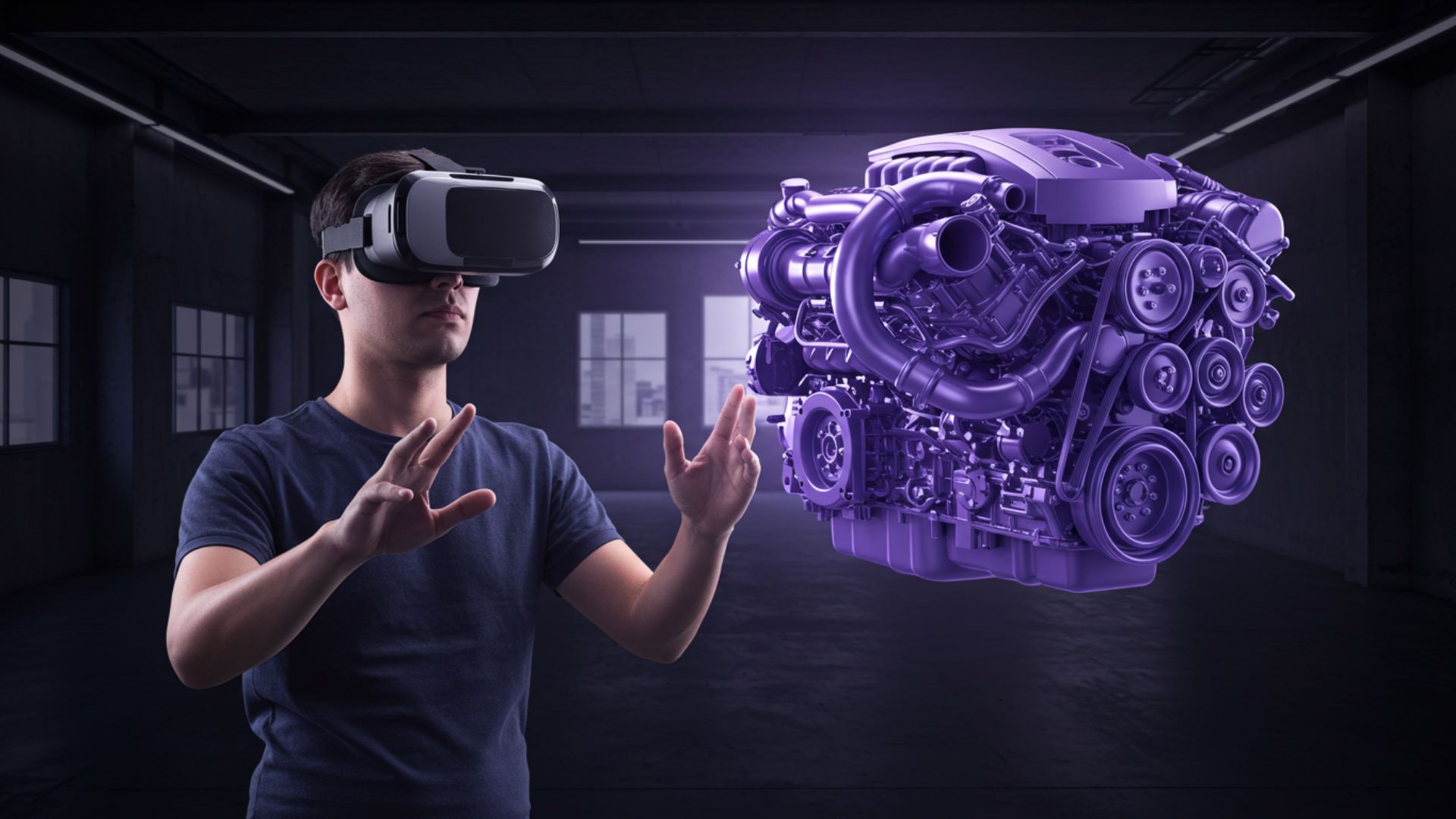
Workplace training programs integrate AR for hands-free guidance during assembly, maintenance, or safety inspections. Technicians wearing AR glasses view step-by-step instructions overlaid on machinery, reducing errors and training time. Remote assistance features allow experts to annotate live video feeds, guiding on-site workers through complex procedures and ensuring compliance with quality standards. By reducing reliance on paper manuals and minimizing downtime, AR-driven training delivers measurable gains in productivity and safety.
AR in Healthcare and Manufacturing
Surgeons utilize AR overlays on patient imaging to plan incisions, view vital data, or access remote expert consultations mid-procedure. Real-time overlay of ultrasound or MRI scans reduces reliance on separate monitors and maintains sterile workflows. Medical students practice anatomy with holographic simulations, making complex structures tangible without cadavers. Clinical trials indicate that AR surgical navigation can reduce operation times by up to 20% while improving accuracy.
In manufacturing, AR-enabled wearables streamline assembly by highlighting parts or showing torque specifications directly on components. Quality control inspectors use AR to compare real-time production outputs against CAD models, instantly flagging deviations. This reduces waste, speeds up production cycles, and enhances overall equipment efficiency (OEE). Integration with IoT sensors and digital twins further extends AR’s impact, enabling predictive maintenance and real-time factory floor analytics.

Designing Effective AR Experiences
User Interface and User Experience in AR
AR UI design demands minimalist overlays that respect real-world context. Transparent panels, adaptive text sizing, and iconography must avoid occluding critical physical elements. UI elements should anchor to stable reference points (e.g., surfaces or objects) to prevent floating menus that shift with head movements. Consistent visual language—colors, shapes, animations—reinforces brand identity across virtual layers and improves user comprehension.
UX best practices involve intuitive interaction models: users expect to tap on virtual buttons as they would on a touchscreen, pinch to scale objects, and employ gaze-based selection for head-mounted displays. Clear affordances—such as shadows or highlights—indicate interactivity. Comprehensive onboarding tutorials embedded in early sessions accelerate user proficiency and minimize frustration. Iterative usability testing with representative end-users is crucial to refine interaction flows and minimize cognitive load in complex AR tasks.
3D Content Creation and Tracking
High-fidelity 3D assets optimized for mobile AR require polygon budgets under 15k triangles per object and texture maps sized appropriately (e.g., 1024×1024). Level-of-detail (LOD) systems swap lower-resolution meshes at distance to sustain performance. Asset pipelines often employ glTF or USDZ formats for cross-platform compatibility and efficient runtime loading. Proper UV unwrapping and normal map baking are essential to achieve realistic lighting without excessive GPU load.
Accurate object tracking hinges on calibration routines that align virtual geometry with physical anchors. Developers use SLAM toolkits—ARKit, ARCore, or OpenXR—to map environment features. Light estimation APIs adjust virtual lighting to match ambient conditions, enhancing realism and immersion. Regular testing across diverse lighting scenarios and surface textures ensures robust tracking fidelity, reducing drift and jitter in dynamic real-world environments.
Performance Optimization for AR Apps
Real-time AR demands careful resource management: limit draw calls by batching geometry and reduce overdraw by culling hidden surfaces. Utilize GPU instancing for repeated assets and compress textures with ASTC or ETC2 formats. Frame timing budgets should target <16ms per frame to maintain 60 FPS on mid-tier devices. Profiling tools such as Xcode’s Metal Frame Debugger and Android Studio’s GPU Insights help identify bottlenecks and optimize shaders.
Power consumption can drain batteries quickly during AR sessions. Implement adaptive resolution scaling and dynamic fuzzy rendering for peripheral areas. Leverage hardware-accelerated codecs and offload compute-heavy tasks—such as machine learning inference for object recognition—to edge servers when possible, balancing latency and visual fidelity. Additionally, implement intelligent thermal throttling strategies to prevent device overheating during prolonged use.

AR Hardware and Platforms
AR-Enabled Smartphones and Tablets
Modern iOS and Android devices come equipped with depth sensors, dual cameras, and neural processing units (NPUs) that accelerate ARKit and ARCore experiences. Most flagship phones deliver smooth AR at 60 FPS with centimeter-level tracking accuracy. Wide adoption ensures that consumer-focused AR applications reach broad audiences without additional hardware investment. Tablets offer larger screens that enhance collaborative and educational AR scenarios.
Tablet form factors offer larger screens for collaborative AR demos in education or retail showrooms. Their extended battery life and built-in gyroscopes support multiuser alignment scenarios—such as shared design reviews—where audiences can gather around a single device to inspect life-size 3D prototypes or interactive maps. As mobile hardware continues to evolve, expect even more sophisticated AR experiences on ubiquitous consumer devices.
AR Glasses and Wearables
Head-mounted AR displays—like Microsoft HoloLens 2, Magic Leap 2, and emerging consumer smart glasses—provide hands-free interaction and immersive field-of-view (FOV) experiences. Their depth sensors and eye-tracking modules deliver precise spatial awareness, enabling complex enterprise applications in manufacturing, logistics, and remote assistance. Battery life and form factor improvements are key areas of ongoing R&D.
Lightweight form factors such as Nreal Air and Vuzix Blade target consumer markets with smartphone tethering, offering casual AR for navigation, gaming, and social media. Battery constraints and limited FOV remain challenges, but modular architectures promise future upgrades as optics and battery technologies improve. Integrated spatial audio and haptic feedback modules are emerging as standard enhancements, enriching the multisensory dimension of AR experiences.
Cloud and Edge Computing for AR
Cloud-based AR platforms offload heavy processing—such as 3D reconstruction, semantic segmentation, and AI inference—to remote servers, delivering richer experiences to low-powered devices. This approach reduces on-device heat and battery drain, while enabling collaborative multi-user sessions with shared world mapping. End-to-end encryption and secure token authentication ensure data privacy and compliance in regulated industries.
Edge computing, through localized micro-data centers or on-premise gateways, minimizes latency for mission-critical AR use cases like remote surgery guidance or industrial inspections. Hybrid architectures dynamically balance workloads between device, edge, and cloud, optimizing responsiveness and maintaining data privacy in regulated environments. Advances in 5G networking will further enhance bandwidth and reduce latency, unlocking new possibilities for truly mobile AR applications.
Future Trends in Augmented Reality
Spatial Computing and AI Integration
Emerging spatial computing paradigms blend AR with advanced AI to understand and interact with surroundings semantically. AI models can identify objects, read text, and predict user intent, enabling context-aware AR that responds intelligently—for example, translating foreign signage in real time or recommending relevant product details when scanning store shelves. These intelligent overlays will evolve to anticipate user needs and automate routine tasks.
Generative AI will power dynamic content creation on the fly, auto-generating 3D models or environmental effects based on user prompts. This reduces reliance on pre-authored assets and enables personalized AR experiences that adapt to individual preferences and real-world context, unlocking new possibilities for interactive storytelling and adaptive training. As AI architectures become more efficient, expect on-device generative capabilities to democratize content creation further.
AR Commerce and Marketing Innovations
AR commerce platforms will integrate virtual try-on, in-app purchasing, and social sharing into unified workflows. Shoppable AR ads let users tap on virtual products in their environment to instantly purchase or learn more. Brands will employ location-based promotions, triggering AR experiences in retail stores or public landmarks to drive foot traffic and engagement. This convergence of AR and commerce promises to reshape consumer behavior and blur the line between browsing and buying.
Influencer-driven AR filters and branded mini-apps on social platforms will bridge user-generated content and direct sales channels. Advanced analytics will track view-through rates, engagement hotspots, and in-AR conversions, enabling marketers to optimize campaigns in real time and attribute revenue directly to AR interactions. With improved attribution models, brands can quantify the incremental lift from AR experiences and justify further investment in spatial marketing strategies.
Challenges and Ethical Considerations in AR
Privacy concerns arise when AR apps collect spatial maps and personal data without explicit consent. Developers must implement transparent data policies and ensure on-device processing when feasible. Location-based AR experiences should respect geofence boundaries and offer opt-in mechanisms to prevent unwanted tracking or data sharing. Adhering to GDPR and CCPA guidelines is essential for any AR application handling user data.
Ethical design principles require minimizing digital clutter in shared spaces and avoiding contextually insensitive overlays. AR content moderation and accessibility guidelines must ensure inclusivity for users with visual impairments or mobility challenges. As AR blurs the line between virtual and real, maintaining user well-being and agency becomes paramount. Industry-wide standards and best practices will be critical to foster trust and long-term adoption.

Unlocking The Power Of Augmented Reality